
Help ?

IGMIN: We're glad you're here. Please click 'create a new query' if you are a new visitor to our website and need further information from us.

If you are already a member of our network and need to keep track of any developments regarding a question you have already submitted, click 'take me to my Query.'

Search

Organised by  IgMin Fevicon

Regional sites

Browse by Subjects

Welcome to IgMin Research – an Open Access journal uniting Biology, Medicine, and Engineering. We’re dedicated to advancing global knowledge and fostering collaboration across scientific fields.

Browse by Sections

At IgMin Research, we bridge the frontiers of Biology, Medicine, and Engineering to foster interdisciplinary innovation. Our expanded scope now embraces a wide spectrum of scientific disciplines, empowering global researchers to explore, contribute, and collaborate through open access.

Special Issues

Our focus is to create a space where fields overlap and new knowledge can be discovered.

Members

Our focus is to create a space where fields overlap and new knowledge can be discovered.

Articles

Our focus is to create a space where fields overlap and new knowledge can be discovered.

Explore Content

Our focus is to create a space where fields overlap and new knowledge can be discovered.

Identify Us

Our focus is to create a space where fields overlap and new knowledge can be discovered.

IgMin Corporation

Welcome to IgMin, a leading platform dedicated to enhancing knowledge dissemination and professional growth across multiple fields of science, technology, and the humanities. We believe in the power of open access, collaboration, and innovation. Our goal is to provide individuals and organizations with the tools they need to succeed in the global knowledge economy.

Publications Support
[email protected]
E-Books Support
[email protected]
Webinars & Conferences Support
[email protected]
Content Writing Support
[email protected]
IT Support
[email protected]

Search

Select Language

Explore Section

Content for the explore section slider goes here.

Abstract

Abstract at IgMin Research

Our focus is to create a space where fields overlap and new knowledge can be discovered.

Medicine Group Research Article Article ID: igmin366

In-silico analysis of Smilax anceps Compounds Targeting Estrogen Receptor Alpha and Aromatase for Follicle Stimulation in Infertility Therapy

Pharmacology DOI10.61927/igmin366 Affiliation

Affiliation

    1Department of Biochemistry, Faculty of Science, Adekunle Ajasin University, Akungba Akoko, Ondo State, Nigeria

    2Department of Biochemistry, College of Biosciences, Federal University of Agriculture, Abeokuta, Ogun State, Nigeria

136
VIEWS
50
DOWNLOADS
125
Connect with Us

Abstract

Infertility is a primary global health concern, with ovulatory dysfunction being a primary cause. Both estrogen receptor alpha (ERα) and Aromatase are recognized as influential factors in the stimulation of the follicle and, thus, are promising candidates for novel infertility treatment strategies. The application of pharmaceutical approaches like clomiphene citrate, Letrozole, and Anastrozole is of great value but not without challenge, which highlights the need for new, safer approaches. The current study is designed to apply an in-silico technique based on the bioactivity of the compounds found in Smilax anceps to assess the alteration of the ERα and Aromatase modulatory activity.
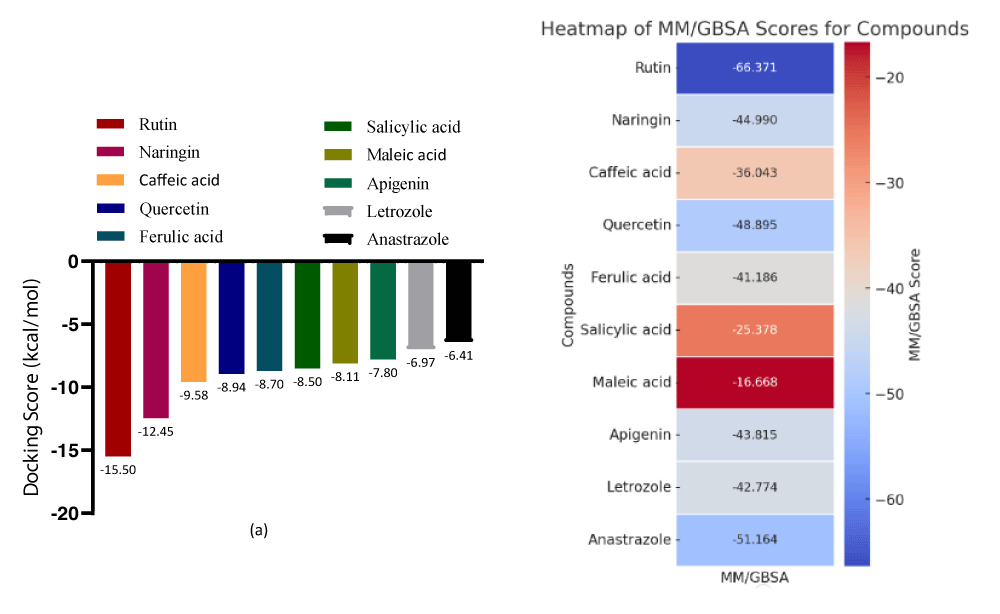
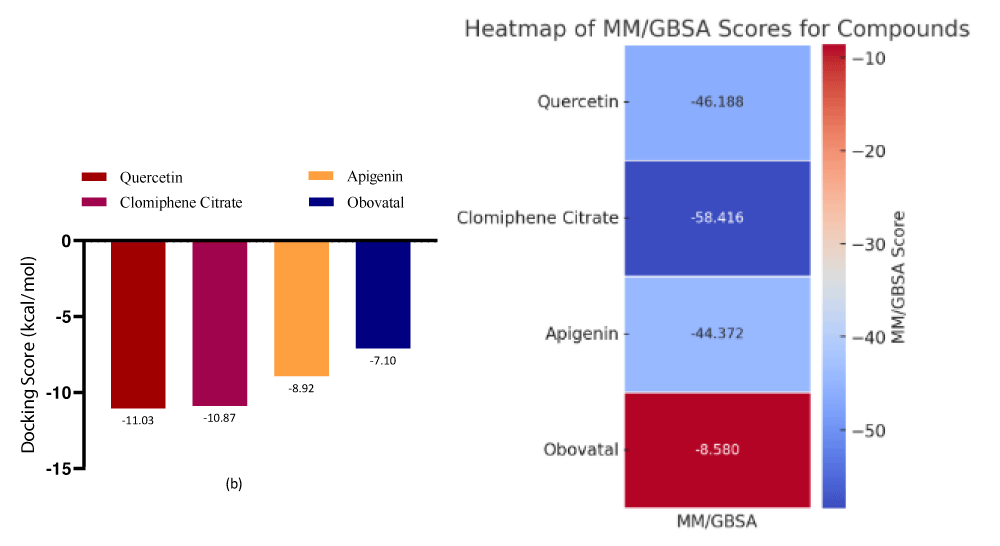
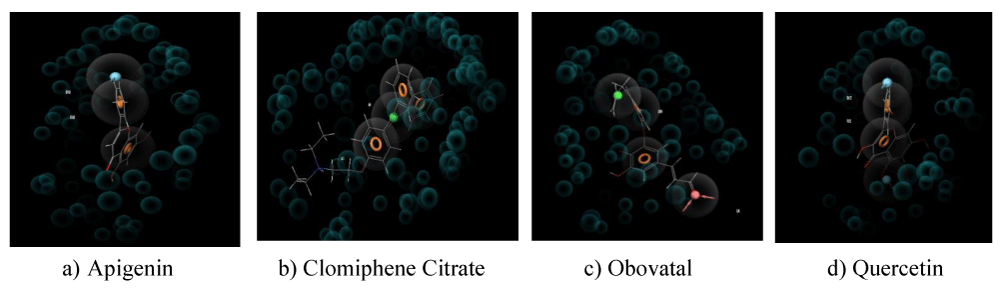
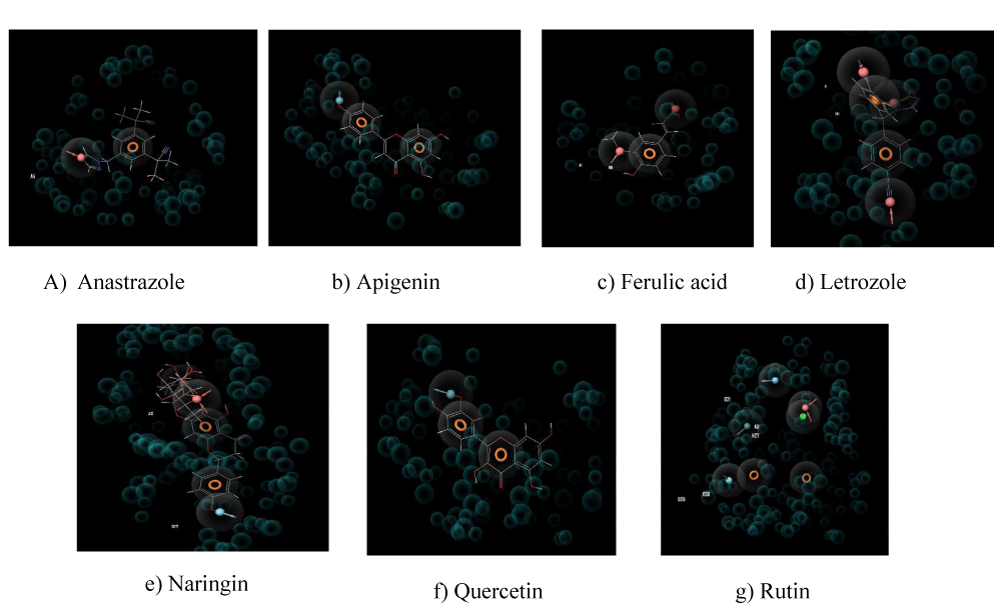
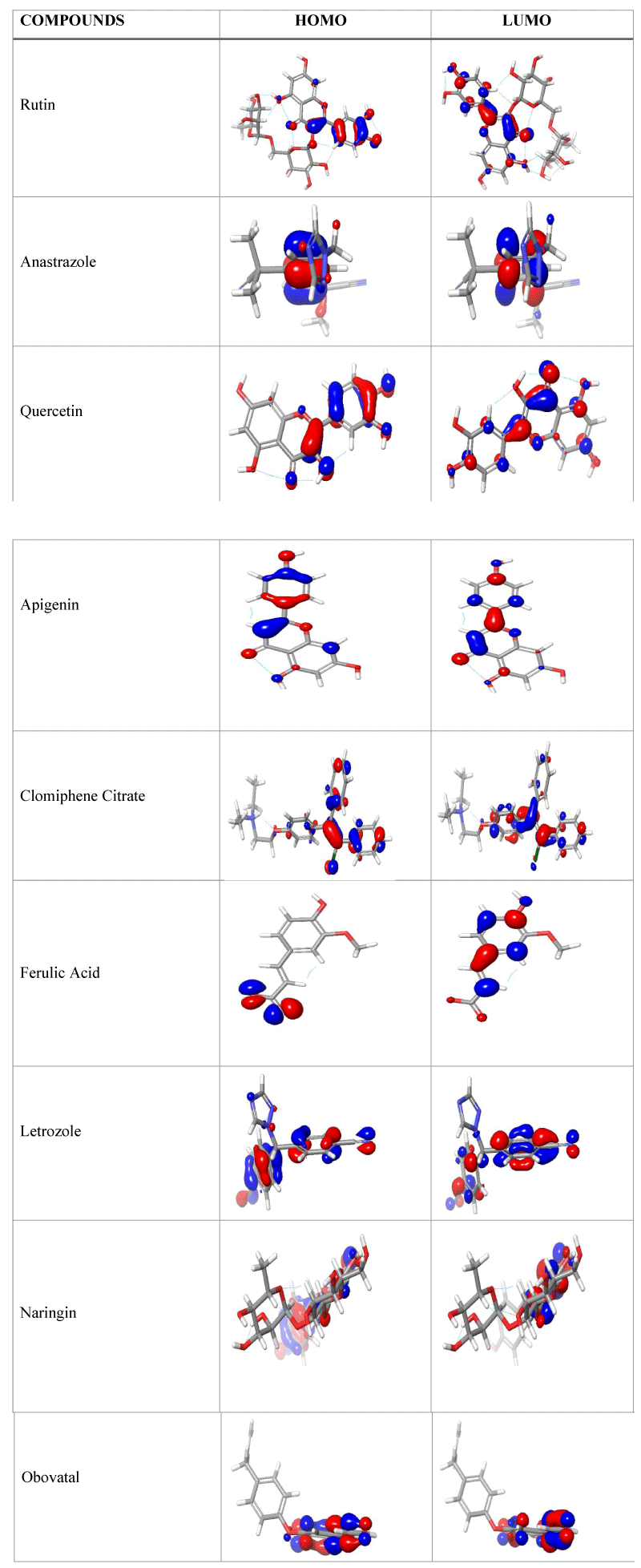
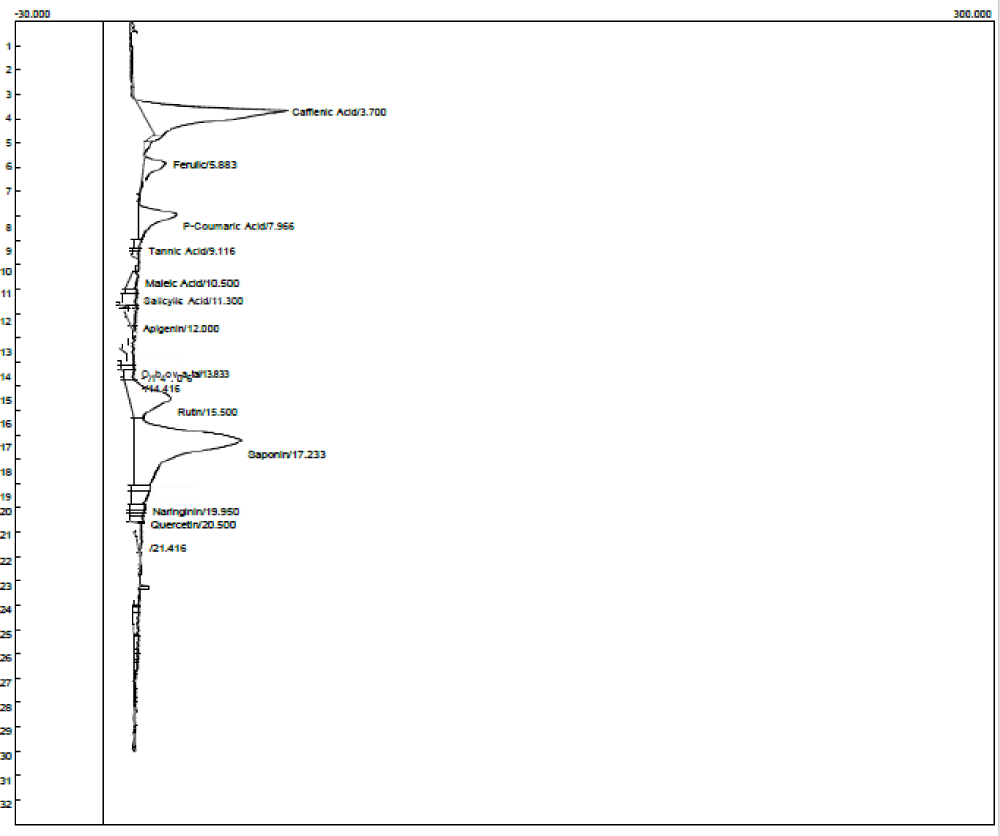
Molecular docking analyses revealed that Rutin (-15.499 kcal/mol) and Naringin (-12.45 kcal/mol) exhibited superior binding affinities to Aromatase compared to standard drugs. Quercetin (-11.032 kcal/mol) demonstrated strong interaction with ERα, surpassing clomiphene citrate (-10.872 kcal/mol). MM-GBSA calculations further validated the binding efficiency of these compounds. Density Functional Theory (DFT) analysis provided insights into molecular stability and reactivity, while ADMET predictions indicated favorable pharmacokinetic properties for select compounds.
These findings suggest that bioactive compounds from Smilax anceps, particularly Rutin and Quercetin, exhibit strong potential as alternative or adjunct therapies for infertility treatment. However, comprehensive in-vitro and in-vivo investigations are essential to confirm their therapeutic efficacy, safety, and clinical applicability. 
Figures

References

    1. World Health Organization. 1 in 6 people globally are affected by infertility [Internet]. Geneva: WHO; 2023 [cited 2026 Oct 29]. Available from: https://www.who.int/news/item/04-04-2023-1-in-6-people-globally-affected-by-infertility
    2. Carson SA, Kallen AN. Diagnosis and management of infertility. JAMA. 2021;326(1):65-76. Available from: https://jamanetwork.com/journals/jama/fullarticle/2781637
    3. Tao YX, Segaloff DL. Follicle-stimulating hormone receptor mutations and reproductive disorders. In: Vitamins and Hormones. Vol. 80. San Diego (CA): Elsevier; 2009. p. 115-131. Available from: https://linkinghub.elsevier.com/retrieve/pii/S1877117309890054
    4. Zhao D, Lv C, Liu G, Mi Y, Zhang C. Effect of estrogen on chick primordial follicle development and activation. Cell Biol Int. 2017;41(6):630-638. Available from: https://onlinelibrary.wiley.com/doi/10.1002/cbin.10766
    5. Kim DH, Park HJ, Park HS, Lee JU, Ko C, Gye MC. Estrogen receptor α in T cells suppresses follicular helper T cell responses and prevents autoimmunity. Exp Mol Med. 2019;51(4):1-9. Available from: https://www.nature.com/articles/s12276-019-0237-z
    6. Liu T, Huang Y, Lin H. Estrogen disorders: interpreting the abnormal regulation of aromatase in granulosa cells. Int J Mol Med. 2021;47(5):73. Available from: http://www.spandidos-publications.com/10.3892/ijmm.2021.4906
    7. Mbi Feh MK, Patel P, Wadhwa R. Clomiphene. In: StatPearls [Internet]. Treasure Island (FL): StatPearls Publishing; 2025. Available from: http://www.ncbi.nlm.nih.gov/pubmed/25681838
    8. Requena A, Herrero J, Landeras J, Navarro E, Neyro JL, Salvador C. Use of letrozole in assisted reproduction: a systematic review and meta-analysis. Hum Reprod Update. 2008;14(6):571-582. Available from: https://academic.oup.com/humupd/article-lookup/doi/10.1093/humupd/dmn033
    9. Del Pup L, Peccatori FA, Levi-Setti PE, Codacci-Pisanelli G, Patrizio P. Risk of cancer after assisted reproduction: a review of the available evidence and guidance to fertility counselors. Eur Rev Med Pharmacol Sci. 2018;22(22):8042-8059. Available from: http://www.ncbi.nlm.nih.gov/pubmed/30536354
    10. Krishnaprabu DS. Therapeutic potential of medicinal plants: a review. J Pharmacogn Phytochem. 2020;9(2):2228-2233. Available from: https://www.phytojournal.com/archives/2020.v9.i2.AK.11184/therapeutic-potential-of-medicinal-plants-a-review
    11. Osuagwu GGE, Osuagwu AN, Udogu FO, Ukoji NA. Anti-inflammatory and diuretic activities of ethanolic extracts of Smilax anceps Wild. Pharm Biosci J. 2018;6(1):11-16. Available from: http://pharmabiosciencejournal.com/index.php/pbj/article/view/1922
    12. Bathini R, Sivan SK, Fatima S, Manga V. Molecular docking, MM/GBSA and 3D-QSAR studies on EGFR inhibitors. J Chem Sci. 2016;128:1163-1173.
    13. Banerjee P, Eckert AO, Schrey AK, Preissner R. ProTox-II: a webserver for the prediction of toxicity of chemicals. Nucleic Acids Res. 2018;46(W1):W257-W263.
    14. Daina A, Michielin O, Zoete V. SwissADME: a free web tool to evaluate pharmacokinetics, drug-likeness and medicinal chemistry friendliness of small molecules. Sci Rep. 2017;7:42717.
    15. Azad I, Khan T, Ahmad N, Khan AR, Akhter Y. Updates on drug designing approach through computational strategies: a review. Future Sci OA. 2023;9(5). Available from: https://www.tandfonline.com/doi/full/10.2144/fsoa-2022-0085
    16. Ahinko M, Niinivehmas S, Jokinen E, Pentikäinen OT. Suitability of MMGBSA for the selection of correct ligand binding modes from docking results. Chem Biol Drug Des. 2019;93(4):522-538. Available from: https://onlinelibrary.wiley.com/doi/10.1111/cbdd.13446
    17. Mumit MA, Pal TK, Alam MA, Islam MA, Paul S, Sheikh MC. DFT studies on vibrational and electronic spectra, HOMO-LUMO, MEP, HOMA, NBO, and molecular docking analysis of benzyl-3-N-(2,4,5-trimethoxyphenylmethylene)hydrazinecarbodithioate. J Mol Struct. 2020;128:715. Available from: https://linkinghub.elsevier.com/retrieve/pii/S0022286020310401
    18. Agwupuye JA, Louis H, Unimuke TO, David P, Ubana EI, Moshood YL. Electronic structure investigation of the stability, reactivity, NBO analysis, thermodynamics, and nature of interactions in methyl-substituted imidazolium-based ionic liquids. J Mol Liq. 2021;337:116458. Available from: https://linkinghub.elsevier.com/retrieve/pii/S016773222101182X
    19. Agwupuye JA, Neji PA, Louis H, Odey JO, Unimuke TO, Bisiong EA. Investigation on electronic structure, vibrational spectra, NBO analysis, and molecular docking studies of aflatoxins and selected emerging mycotoxins against wild-type androgen receptor. Heliyon. 2021;7(7):e07544. Available from: https://linkinghub.elsevier.com/retrieve/pii/S2405844021016479
    20. Izuchukwu UD, Asogwa FC, Louis H, Uchenna EF, Gber TE, Chinasa UM. Synthesis, vibrational analysis, molecular property investigation, and molecular docking of new benzenesulphonamide-based carboxamide derivatives against Plasmodium falciparum. J Mol Struct. 2022;1269:133796. Available from: https://linkinghub.elsevier.com/retrieve/pii/S0022286022014508
    21. Udoikono AD, Louis H, Eno EA, Agwamba EC, Unimuke TO, Igbalagh AT. Reactive azo compounds as potential chemotherapy drugs in the treatment of malignant glioblastoma: experimental and theoretical studies. J Photochem Photobiol A. 2022;10:100116. Available from: https://linkinghub.elsevier.com/retrieve/pii/S2666469022000094
    22. Praise SA, Kolawole AT, Olusanya MM, Bakare OS, Ezeuchenne IC. Investigation of Musa paradisiaca compounds as dipeptidyl peptidase-4, alpha-amylase and protein tyrosine phosphatase 1B inhibitors in diabetes via an in silico approach. Next Res. 2025;2(1):100108. Available from: https://linkinghub.elsevier.com/retrieve/pii/S3050475924001076
    23. Lipinski CA, Lombardo F, Dominy BW, Feeney PJ. Experimental and computational approaches to estimate solubility and permeability in drug discovery and development settings. Adv Drug Deliv Rev. 2001;46(1-3):3-26. Available from: https://linkinghub.elsevier.com/retrieve/pii/S0169409X00001290
    24. Veber DF, Johnson SR, Cheng HY, Smith BR, Ward KW, Kopple KD. Molecular properties that influence the oral bioavailability of drug candidates. J Med Chem. 2002;45(12):2615-2623. Available from: https://pubs.acs.org/doi/10.1021/jm020017n
    25. van de Waterbeemd H, Gifford E. ADMET in silico modelling: towards prediction paradise? Nat Rev Drug Discov. 2003;2(3):192-204. Available from: https://www.nature.com/articles/nrd1032
    26. Testa B, Krämer SD. The biochemistry of drug metabolism: an introduction. Chem Biodivers. 2006;3(10):1053-1101. Available from: https://onlinelibrary.wiley.com/doi/10.1002/cbdv.200690111
    27. Clarke CJ, Haselden JN. Metabolic profiling as a tool for understanding mechanisms of toxicity. Toxicol Pathol. 2008;36(1):140-147. Available from: https://journals.sagepub.com/doi/10.1177/0192623307310947
    28. Atanasov AG, Zotchev SB, Dirsch VM, Orhan IE, Banach M, Rollinger JM. Natural products in drug discovery: advances and opportunities. Nat Rev Drug Discov. 2021;20(3):200-216. Available from: https://www.nature.com/articles/s41573-020-00114-z
    29. Simoben CV, Babiaka SB, Moumbock AFA, Namba-Nzanguim CT, Eni DB, Medina-Franco JL. Challenges in natural product-based drug discovery assisted with in silico methods. RSC Adv. 2023;13(45):31578-31594. Available from: https://xlink.rsc.org/?DOI=D3RA06831E
    30. Bowes J, Brown AJ, Hamon J, Jarolimek W, Sridhar A, Waldron G. Reducing safety-related drug attrition: the use of in vitro pharmacological profiling. Nat Rev Drug Discov. 2012;11(12):909-922. Available from: https://www.nature.com/articles/nrd3845
    31. Butler P, Riley RJ. In vitro ADME assays and in vivo extrapolations. In: The ADME Encyclopedia. Cham: Springer International Publishing; 2022. p. 537-547. Available from: https://link.springer.com/10.1007/978-3-030-84860-6_141

Why publish with us?

  • Global Visibility – Indexed in major databases

  • Fast Peer Review – Decision within 14–21 days

  • Open Access – Maximize readership and citation

  • Multidisciplinary Scope – Biology, Medicine and Engineering

  • Editorial Board Excellence – Global experts involved

  • University Library Indexing – Via OCLC

  • Permanent Archiving – CrossRef DOI

  • APC – Affordable APCs with discounts

  • Citation – High Citation Potential

Submit Your Article

Advertisement