


Help ?

IGMIN: We're glad you're here. Please click 'create a new query' if you are a new visitor to our website and need further information from us.

If you are already a member of our network and need to keep track of any developments regarding a question you have already submitted, click 'take me to my Query.'

Search

Organised by  IgMin Fevicon

Regional sites

Browse by Subjects

Welcome to IgMin Research – an Open Access journal uniting Biology, Medicine, and Engineering. We’re dedicated to advancing global knowledge and fostering collaboration across scientific fields.

Browse by Sections

At IgMin Research, we bridge the frontiers of Biology, Medicine, and Engineering to foster interdisciplinary innovation. Our expanded scope now embraces a wide spectrum of scientific disciplines, empowering global researchers to explore, contribute, and collaborate through open access.

Special Issues

We strive to bridge various fields of science and drive the rapid evolution of research and understanding.

Members

We strive to bridge various fields of science and drive the rapid evolution of research and understanding.

Articles

We strive to bridge various fields of science and drive the rapid evolution of research and understanding.

Explore Content

We strive to bridge various fields of science and drive the rapid evolution of research and understanding.

Identify Us

We strive to bridge various fields of science and drive the rapid evolution of research and understanding.

IgMin Corporation

Welcome to IgMin, a leading platform dedicated to enhancing knowledge dissemination and professional growth across multiple fields of science, technology, and the humanities. We believe in the power of open access, collaboration, and innovation. Our goal is to provide individuals and organizations with the tools they need to succeed in the global knowledge economy.

Publications Support
[email protected]
E-Books Support
[email protected]
Webinars & Conferences Support
[email protected]
Content Writing Support
[email protected]
IT Support
[email protected]

Search

Select Language

Explore Section

Content for the explore section slider goes here.

Abstract

Abstract at IgMin Research

We strive to bridge various fields of science and drive the rapid evolution of research and understanding.

General-science Group Systematic Review Article ID: igmin343

Stabilization and Valorization of Plant Polyphenols: From Biosynthesis Regulation to Processing and Application

Chemistry DOI10.61927/igmin343 Affiliation

Affiliation

    1College of Biochemical Engineering, Beijing Union University, Beijing, China

    2Almond Board of California, Modesto, CA 95354, USA

    3Center for Biorefining and Department of Bioproducts and Biosystems Engineering, University of Minnesota, St. Paul, MN 55108, USA

49
VIEWS
13
DOWNLOADS
Connect with Us

Abstract

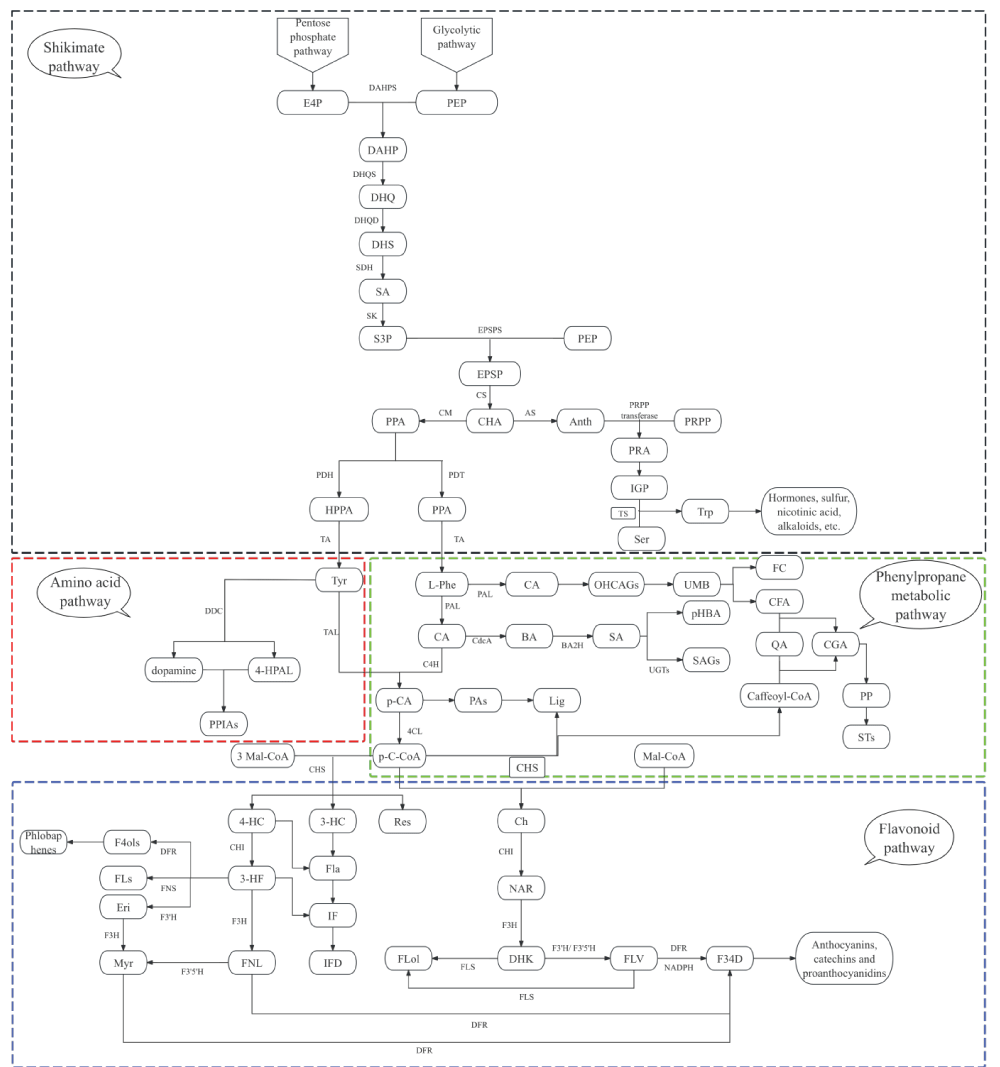
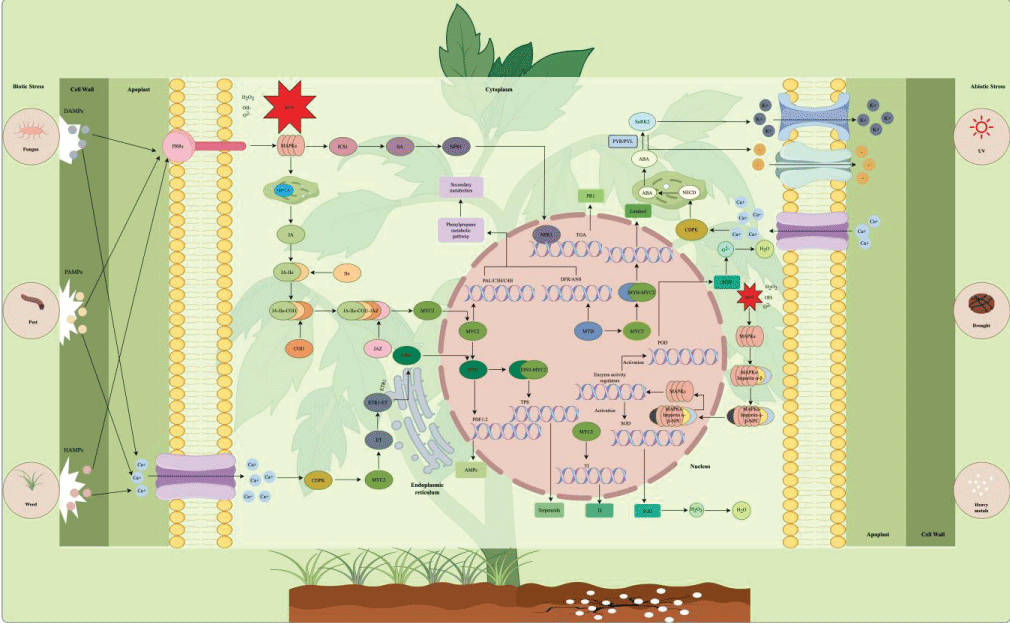
Plant polyphenols are ubiquitous secondary metabolites in plants whose antioxidant, anti-inflammatory, antimicrobial, and cardioprotective activities have been systematically elucidated. They exert their physiological functions by scavenging intracellular reactive oxygen species, precisely regulating inflammatory mediators, and inhibiting pathogenic proliferation, exhibiting tremendous application potential in functional foods, biomedicine, and natural cosmetics. However, the inherent chemical instability of polyphenols leads to severe structural degradation and bioactivity loss during extraction, processing, and storage. This manifests not only as detectable content reduction but also as significant "hidden bioactivity loss" without apparent content changes, which has emerged as the core bottleneck restricting their industrial translation. Most existing reviews are limited to single-stage optimizations, and a systematic regulatory framework spanning the entire process of biosynthesis, extraction, and processing has not yet been established. In this narrative critical review, we construct an integrated system for polyphenol content enhancement and stability regulation across the entire value chain from biosynthesis to extraction and processing. We critically elaborate on stress-mediated biosynthetic mechanisms, extraction loss control strategies, and processing stabilization technologies, with the ultimate goal of improving their resource utilization efficiency and advancing the industrial innovation and application of plant polyphenols.
Figures

References

    1. Divyajanani S, Harithpriya K, Ganesan K, Ramkumar KM. Dietary polyphenols remodel DNA methylation patterns of NRF2 in chronic disease. Nutrients. 2023;15:3347. Available from: https://doi.org/10.3390/nu15153347 
    2. Qi J, Pan Z, Wang X, Zhang N, He G, Jiang X. Research advances of Zanthoxylum bungeanum polyphenols in inflammatory diseases. Front Immunol. 2024;15:1305886. Available from: https://doi.org/10.3389/fimmu.2024.1305886
    3. Chong Y, Kim BG, Park YJ, Yang Y, Lee SW, Lee Y,et al. Production of four flavonoid C-glucosides in Escherichia coli. J Agric Food Chem. 2023;71:5302-5313. Available from: https://doi.org/10.1021/acs.jafc.3c00297
    4. Vajdi M, Karimi A, Hassanizadeh S, Farhangi MA, Bagherniya M, Askari G, et al. Effect of polyphenols against complications of COVID-19: current evidence and potential efficacy. Pharmacol Rep. 2024;76:307-327. Available from: https://doi.org/10.1007/s43440-024-00585-6
    5. Liu W, Cui X, Zhong Y. Phenolic metabolites as therapeutic in inflammation and neoplasms: molecular pathways explaining their efficacy. Pharmacol Res. 2023;193:106812. Available from: https://doi.org/10.1016/j.phrs.2023.106812
    6. Otręba M, Kośmider L, Stojko J, Rzepecka-Stojko A. Cardioprotective activity of selected polyphenols based on epithelial and aortic cell lines: a review. Molecules. 2020;25:5343. Available from: https://doi.org/10.3390/molecules25225343
    7. Dias MC, Pinto DCGA, Silva AMS. Plant flavonoids: chemical characteristics and biological activity. Molecules. 2021;26:5377. Available from: https://doi.org/10.3390/molecules26175377
    8. Medini F, Ksouri R, Msaada K, Legault J. Phenolic compounds from Limonium densiflorum: antioxidant, anti-inflammatory, anticancer, and anti-influenza activities. Int J Environ Health Res. 2025;35:94-104. Available from: https://doi.org/10.1080/09603123.2024.2342572
    9. Rathod NB, Elabed N, Punia S, Ozogul F, Kim S-K, et al. Recent developments in polyphenol applications on human health: a review. Plants. 2023;12:1217. Available from: https://doi.org/10.3390/plants12061217 
    10. Moar K, Yadav S, Pant A, et al. Anti-tumor effects of polyphenols via targeting cancer-driving signaling pathways: a review. Indian J Clin Biochem. 2024;39:470-488. Available from: https://doi.org/10.1007/s12291-024-01222-y 
    11. Serreli G, Deiana M. Role of dietary polyphenols in the activity and expression of nitric oxide synthases: a review. Antioxidants. 2023;12:147. Available from: https://doi.org/10.3390/antiox12010147
    12. Kumar K, Debnath P, Singh S, Kumar N. An overview of plant phenolics and their involvement in abiotic stress tolerance. Stresses. 2023;3:570-585. Available from: https://doi.org/10.3390/stresses3030040
    13. Zhou Z, Duan Y, Li Y, Zhang P, Li Q, Yu L, et al. CYP98A monooxygenases: a key enzyme family in plant phenolic compound biosynthesis. Hortic Res. 2025;12:uhaf074. Available from: https://doi.org/10.1093/hr/uhaf074
    14. Chen S, Wang X, Cheng Y, Gao H, Chen X. A review of classification, biosynthesis, biological activities, and applications of flavonoids. Molecules. 2023;28:4982. Available from: https://doi.org/10.3390/molecules28134982
    15. Han S, Cai H, Yu H. UV-C regulation of phenolic biosynthesis in peach fruit during storage. LWT. 2023;190:115573. Available from: https://doi.org/10.1016/j.lwt.2023.115573
    16. Wang S, Xu Y, Wang F. Postharvest changes in phenolic and volatile compounds in grapes. Food Chem. 2025;465:141958. Available from: https://doi.org/10.1016/j.foodchem.2024.141958
    17. Molnar M, Jakovljević Kovač M, Pavić V. Diversity, structure, biosynthesis, and extraction of tannins using deep eutectic solvents. Molecules. 2024;29:2615. Available from: https://doi.org/10.3390/molecules29112615
    18. Sharma P, Dhiman T, Negi RS. Molecular mechanisms of skin photoaging and therapeutic advances using polyphenols. S Afr J Bot. 2024;166:466-482. Available from: https://doi.org/10.1016/j.sajb.2024.01.035
    19. Chrostowski PC, Dietrich AM, Suffet IH. Ozone and oxygen induced oxidative coupling of aqueous phenolics. Water Res. 1983;17:1627-1633. Available from: https://doi.org/10.1016/0043-1354(83)90021-0
    20. Spyroudis S. Hydroxyquinones: synthesis and reactivity. Molecules. 2000;5:1291-1330. Available from: https://doi.org/10.3390/51201291
    21. Alcalde B, Granados M, Saurina J. Exploring the antioxidant features of polyphenols by spectroscopic and electrochemical methods. Antioxidants. 2019;8:523-532. Available from: https://doi.org/10.3390/antiox8110523
    22. Bas TG. Dietary polyphenols (flavonoids) derived from plants for therapeutic health: antioxidant performance, ROS, molecular mechanisms, and bioavailability limitations. Int J Mol Sci. 2026;27:1404. Available from: https://doi.org/10.3390/ijms27031404
    23. Rudrapal M, De Oliveira AM, Singh RP. Dietary polyphenols maintain human health through modulation of gut microbiota. Front Pharmacol. 2026;16:1710088. Available from: https://doi.org/10.3389/fphar.2025.1710088
    24. Stromsnes K, Lagzdina R, Olaso-Gonzalez G, et al. Pharmacological properties of polyphenols: bioavailability, mechanisms of action, and biological effects. Biomedicines. 2021;9:1074. Available from: https://doi.org/10.3390/biomedicines9081074
    25. Wang Y, Chen J, He G, Yin L, Liao Y. Unlocking the potential of flavonoid biosynthesis through integrated metabolic engineering. Front Plant Sci. 2025;16:1597007. Available from: https://doi.org/10.3389/fpls.2025.1597007
    26. Chouhan S, Sharma K, Zha J, Guleria S, Koffas MAG. Recent advances in recombinant biosynthesis of polyphenols. Front Microbiol. 2017;8:2259. Available from: https://doi.org/10.3389/fmicb.2017.02259
    27. Tariq H, Asif S, Andleeb A, Hano C, Abbasi BH. Flavonoid production: plant metabolic engineering and de novo microbial production. Metabolites. 2023;13:124. Available from: https://doi.org/10.3390/metabo13010124
    28. Rosa GP, Barreto MC, Seca AML. Ionic liquids and deep eutectic solvents for polyphenol extraction: opportunities and limitations. Int J Mol Sci. 2026;27:3538. Available from: https://doi.org/10.3390/ijms2708353
    29. Fredsgaard M, Fussy A, Nybo GK. Polyphenols in food and food wastes: extraction, isolation, and health applications. Food Chem Mol Sci. 2026;12:100351. Available from: https://doi.org/10.1016/j.fochms.2025.100351
    30. Palos-Hernández A, González-Paramás AM, Santos-Buelga C. Advances in green extraction of polyphenols from plants and food by-products. Molecules. 2024;30:55. Available from: https://doi.org/10.3390/molecules30010055
    31. Tzin V, Malitsky S, Zvi MMB. Expression of bacterial feedback-insensitive DAHP synthase in Arabidopsis and metabolic bottlenecks. New Phytol. 2012;194:430-439. Available from: https://doi.org/:10.1111/j.1469-8137.2012.04052.x
    32. Yuan J, Zhong S, Long Y. Shikimate kinase plays important roles in anthocyanin synthesis in Petunia. Int J Mol Sci. 2022;23:15964. Available from: https://doi.org/10.3390/ijms232415964
    33. Azizyan R, Abdollahi Mandoulakani B. Gene expression and phenolic compounds in Sonchus arvensis under drought stress. Ind Crops Prod. 2024;209:118030. Available from: https://doi.org/10.1016/j.indcrop.2024.118030
    34. Yao L, Wu X, Jiang X. Subcellular compartmentalization in biosynthesis and engineering of plant natural products. Biotechnol Adv. 2023;69:108258. Available from: https://doi.org/10.1016/j.biotechadv.2023.10825
    35. Jeandet P, Sobarzo-Sánchez E, Silva AS, et al. Biocatalytic and green chemistry methods for resveratrol production. Biotechnol Adv. 2020;39:107461. Available from: https://doi.org/10.1016/j.biotechadv.2019.107461
    36. Liu Q, Li S, Ding W. Aphid-induced tobacco resistance and salicylic acid changes in rhizosphere. Eur J Plant Pathol. 2020;157:465-483. Available from: https://doi.org/10.1007/s10658-020-02005-w
    37. Wang X, Zeng L, Liao Y. Herbivore-induced α-farnesene formation in tea plants. Int J Mol Sci. 2019;20:4151. Available from: https://doi.org/10.3390/ijms20174151
    38. Ji N, Wang J, Li Y. PpWRKY70 involvement in disease resistance via phenylpropanoid pathway in peach. Postharvest Biol Technol. 2021;174:111466. Available from: https://doi.org/10.1016/j.postharvbio.2021.111466
    39. Xie M, Zhang J, Yao T. ANGUSTIFOLIA regulates MYB46 and WRKY33 transcription in Arabidopsis. New Phytol. 2020;228:1627-1639. Available from: https://doi.org/:10.1111/nph.16826
    40. Hodaei M, Rahimmalek M, Arzani A. Water stress effects on flavonoid biosynthesis in chrysanthemum. Ind Crops Prod. 2018;120:295-304. Available from: https://doi.org/10.1016/j.indcrop.2018.04.07
    41. Ding X, Zhu X, Zheng W. BTH treatment delays senescence of postharvest pitaya fruit via antioxidant system and phenylpropanoid pathway. Foods. 2021;10:846. Available from: https://doi.org/10.3390/foods10040846
    42. Mouden S, Bac-Molenaar JA, Kappers IF. Elicitor application in strawberry increases plant resilience without yield loss. Front Plant Sci. 2021;12:695908. Available from: https://doi.org/10.3389/fpls.2021.695908
    43. Manoharan B, Qi SS, Dhandapani V. Gene expression profiling reveals enhanced defense responses in invasive weed vs native congener. Int J Mol Sci. 2019;20:4916. Available from: https://doi.org/10.3390/ijms20194916
    44. Duhan L, Kumar D, Pasrija R. Exogenous salicylic acid mitigates Fusarium stress in Vigna mungo. Plant Cell Rep. 2025;44:2. Available from: https://doi.org/10.1007/s00299-024-03394-6
    45. Guo M, Hou J, Li C. Calcium signaling mediates lignin synthesis in pear exocarp. Plant Physiol Biochem. 2022;190:174-183. Available from: https://doi.org/10.1016/j.plaphy.2022.09.00 
    46. Zeng Y, Song H, Xia L. Defensive responses of poplars to fungal pathogens. Front Plant Sci. 2023;14:1107583. Available from: https://doi.org/10.3389/fpls.2023.1107583
    47. Pant SR, Irigoyen S, Liu J. Phenylalanine ammonia lyase promotes antiviral defenses in Brachypodium. mBio. 2021;12:e03518-20. Available from: https://doi.org/10.1128/mBio.03518-20
    48. Carbonaro M, Mattera M. Polyphenoloxidase activity in organic vs conventional fruits. Food Chem. 2001;72:419-424. Available from: https://doi.org/10.1016/S0308-8146(00)00248-X
    49. Merino J, Pedreros A, Fischer S. Weed interference affects polyphenol content in quinoa. Chil J Agric Res. 2019;79:405-414. Available from: https://doi.org/10.4067/S0718-58392019000300405
    50. Tyagi K, Maoz I, Kochanek B. Cytokinin effects on phenylpropanoid pathway in grape. Hortic Res. 2021;8:51-65. Available from: https://doi.org/10.1038/s41438-021-00488-0
    51. Chen Z, Zhang L, Peng M. Selenite enhances Chinese flowering cabbage quality via antioxidant regulation. Food Res Int. 2023;163:112229. Available from: https://doi.org/10.1016/j.foodres.2022.112229
    52. Reshi ZA, Ahmad W, Lukatkin AS. Secondary metabolite biosynthesis pathways and environmental influences. Metabolites. 2023;13:895. Available from: https://doi.org/10.3390/metabo13080895
    53. Yeshi K, Crayn D, Ritmejerytė E. Secondary metabolites under abiotic stress and pharmaceutical applications. Molecules. 2022;27:313. Available from: https://doi.org/10.3390/molecules27010313
    54. Wang Y, Fan K, Wang J. Proteomic analysis of Camellia sinensis under drought stress. J Plant Physiol. 2017;219:91-99. Available from: https://doi.org/10.1016/j.jplph.2017.10.001
    55. Ghotbzadeh Kermani S, Saeidi G, Sabzalian MR. Drought stress influences sesamin and polyphenols in sesame. Food Chem. 2019;289:360-368. Available from: https://doi.org/10.1016/j.foodchem.2019.03.004
    56. Xu N, Liu S, Lu Z. Flavonoid accumulation under salt stress in Ginkgo biloba. Plants. 2020;9:1162. Available from: https://doi.org/10.3390/plants9091162
    57. Fraser DP, Sharma A, Fletcher T. UV-B increases flavonoid quercetin in coriander. Sci Rep. 2017;7:17758. Available from: https://doi.org/10.1038/s41598-017-18073-8
    58. Mosadegh H, Trivellini A, Lucchesini M. UV-B effects on sweet basil physiology. Plants. 2019;8:396. Available from: https://doi.org/10.3390/plants8100396
    59. Chen X, Zhang R, Xin Y. Multi-omics analysis of Betula platyphylla under UV-B stress. Ind Crops Prod. 2024;214:118565. Available from: https://doi.org/10.1016/j.indcrop.2024.118565
    60. Izbiańska K, Arasimowicz-Jelonek M, Deckert J. Phenylpropanoid metabolites improve lupine root tolerance to lead stress. Ecotoxicol Environ Saf. 2014;110:61-67. Available from: https://doi.org/:10.1016/j.ecoenv.2014.08.014
    61. González-Mendoza D, Méndez-Trujillo V, Grimaldo-Juárez O, et al. Changes in photochemical efficiency and epidermal polyphenols in Prosopis species exposed to heavy metals. Open Life Sci. 2017;12:373-378. https://doi.org/10.1515/biol-2017-0043
    62. Ren T, Zheng P, Zhang K, et al. GABA enhances polyphenol accumulation and antioxidant activity in tea under heat stress. Plant Physiol Biochem. 2021;159:363-371. Available from: https://doi.org/10.1016/j.plaphy.2021.01.003
    63. Zhu H, Chen C, Zeng J. MicroRNA528 regulates ROS homeostasis in monocots via copper protein genes. New Phytol. 2020;225:385-399. Available from: https://doi.org/10.1111/nph.16130
    64. Schwartzberg EG, Tumlinson JH. Aphid honeydew alters plant defence responses. Funct Ecol. 2014;28:386-394. Available from: https://doi.org/10.1111/1365-2435.12182
    65. Ma X, Chen B, Yang L. GhWRKY55 regulates cotton resistance via lignin biosynthesis and jasmonic acid signaling. Ind Crops Prod. 2024;210:118154. Available from: https://doi.org/10.1016/j.indcrop.2024.118154
    66. Talukder P, Dasgupta M, Hazra A. Impact of invasive weeds on secondary metabolites in okra. Biotechnol Appl Biochem. 2025:e2751. Available from: https://doi.org/10.1002/bab.2751
    67. Yu Y, Wang P, Bai Y. GmFBX176 regulates ABA-mediated drought and salt responses in soybean. Environ Exp Bot. 2020;176:104056. Available from: https://doi.org/10.1016/j.envexpbot.2020.104056
    68. Chen S, Wu F, Li Y. MYB4 and CHS1 regulate flavonoid biosynthesis under salinity stress. Front Plant Sci. 2019;10:178. Available from: https://doi.org/10.3389/fpls.2019.00178
    69. Wang X, Dai WW, Liu C. Physiological responses of purple sweet potato under salinity stress. Genes. 2022;13:1350. Available from: https://doi.org/10.3390/genes13081350
    70. Sahin S, Kısa D, Ataklı SB. Heavy metal effects on antioxidant contents in maize. Rom Agric Res. 2022;39:57-66. Available from: https://doi.org/10.59665/rar3906
    71. Herrmann HA, Dyson BC, Miller MAE. Chloroplast metabolic flux signals cold acclimation in Arabidopsis thaliana. Plant Cell Environ. 2021;44:171-185. Available from: https://doi.org/10.1111/pce.13896
    72. Sridhar A, Ponnuchamy M, Kumar PS. Techniques and modeling of polyphenol extraction: a review. Environ Chem Lett. 2021;19:3409-3443. Available from: https://doi.org/10.1007/s10311-021-01217-8
    73. Dobrinčić A, Repajić M, Garofulić IE. Comparison of extraction methods for olive leaf polyphenols. Processes. 2020;8:1008. Available from: https://doi.org/10.3390/pr8091008
    74. Ding Q, Jiang H, Chen Y. Nitrogen protection in ultrasonic-assisted extraction of rapeseed polyphenols. J Food Process Eng. 2019;42:e13104. Available from: https://doi.org/10.1111/jfpe.13104
    75. Sedraoui S, Badr A, Barba MGM. Optimization of ultrahigh-pressure extraction of phenolics from dates. Food Anal Methods. 2020;13:1556-1569. Available from: https://doi.org/10.1007/s12161-020-01764-w
    76. Tan MJ, Li Y, Zhao SQ. Synergistic ultrasound and pulsed electric field extraction of litchi peel polyphenols. Int J Biol Macromol. 2024;260:129613. Available from: https://doi.org/10.1016/j.ijbiomac.2024.129613
    77. Zhou Z, Shao H, Han X. Enzyme-assisted extraction enhancement of polyphenols from Ulmus pumila. Ind Crops Prod. 2017;97:401-408. Available from: https://doi.org/10.1016/j.indcrop.2016.12.060
    78. Avilés-Betanzos KA, Scampicchio M, Ferrentino G. Supercritical fluid extraction of Capsicum chinense phenolics using RSM. Processes. 2023;11:2055. Available from: https://doi.org/10.3390/pr11072055
    79. Li L, Lv J, Wang X. Green extraction of polyphenols from Elaeagnus angustifolia using natural deep eutectic solvents. Molecules. 2024;29:2412. Available from: https://doi.org/10.3390/molecules29112412
    80. Antony A, Farid M. Effect of temperature on polyphenol extraction. Appl Sci. 2022;12:2107. Available from: https://doi.org/10.3390/app12042107
    81. Park SY, Kang TM, Kim MJ. Enzymatic browning reaction of apple juices prepared using different juicing systems. Biosci Biotechnol Biochem. 2018;82:2000-2006. Available from: https://doi.org/10.1080/09168451.2018.149794
    82. Olszowy-Tomczyk M, Paprotny Ł, Wianowska D. Stability of phenolic acids under extraction conditions. Molecules. 2024;29:5861. Available from: https://doi.org/10.3390/molecules29245861
    83. Wang G, Kumar Y. Mechanisms of initial non-enzymatic oxidation of wine: a mini review. J Food Sci. 2024;89:2530-2545. Available from: https://doi.org/10.1111/1750-3841.17038
    84. Mussio C, Garcia-Perez P, Moret E. Natural chelating agents in food stability: mechanisms and applications. Food Chem. 2025;496:146682. Available from: https://doi.org/10.1016/j.foodchem.2025.14668 .
    85. Wang P, Cheng C, Ma Y. Degradation of polyphenols in aqueous extraction systems under ultrasound. Sep Purif Technol. 2020;247:116967. Available from: https://doi.org/10.1016/j.seppur.2020.116967
    86. Arnold M, Gramza-Michałowska A. Enzymatic browning in apple products: inhibition strategies. Compr Rev Food Sci Food Saf. 2022;21:5038-5076. Available from: https://doi.org/10.1111/1541-4337.13059
    87. Tilley A, McHenry MP, McHenry JA. Role of substrates in polyphenol oxidase-mediated browning. Curr Res Food Sci. 2023;7:100623. Available from: https://doi.org/10.1016/j.crfs.2023.100623
    88. Ebrahimi P, Bayram I, Lante A. Phenolic extract of parsley inhibits lipid oxidation in emulsions. Food Res Int. 2024;187:114452. Available from: doi:10.1016/j.foodres.2024.114452.
    89. Oerlemans K, Barrett DM, Suades CB. Thermal degradation of glucosinolates in red cabbage. Food Chem. 2006;95:19-29. Available from: https://doi.org/10.1016/j.foodchem.2004.12.013
    90. Soong Y, Barlow P. Quantification of gallic and ellagic acid in fruit seeds and kernels. Food Chem. 2006;97:524-530. Available from: https://doi.org/10.1016/j.foodchem.2005.05.033
    91. Ikeda T, Masuda T, Takayama M. Solvent-induced emission of organogels. Org Biomol Chem. 2016;14:36-39. Available from: https://doi.org/10.1039/C5OB01898F
    92. Herrera-Pool E, Ramos-Díaz AL, Lizardi-Jiménez MA. Solvent polarity in ultrasound-assisted extraction of phenolics from habanero pepper leaves. Ultrason Sonochem. 2021;76:105658. Available from: https://doi.org/10.1016/j.ultsonch.2021.105658
    93. Wibisono Y, Rachmawati SA, Mylani VS. Cellulose acetate membrane with Olea europaea nanosolids. Alexandria Eng J. 2023;64:119-129. Available from: https://doi.org/10.1016/j.aej.2022.08.036
    94. Dilokpimol A, Mäkelä MR, Aguilar-Pontes MV. Diversity of fungal feruloyl esterases and applications. Biotechnol Biofuels. 2016;9:231. Available from: https://doi.org/10.1186/s13068-016-0651-6
    95. Gulsunoglu-Konuskan Z, Kilic-Akyilmaz M. Microbial bioconversion of phenolic compounds in agro-industrial wastes. J Agric Food Chem. 2022;70:6901-6910. Available from: https://doi.org/10.1021/acs.jafc.1c06888
    96. Méndez DA, Fabra MJ, Odriozola-Serrano I. Extraction effects on pectin and phenolics from persimmon waste streams. Food Hydrocolloids. 2022;123:107066. Available from: https://doi.org/10.1016/j.foodhyd.2021.107066
    97. Mahamoud R, Bowman DT, Ward WE. Stability of polyphenols in red rooibos tea. Food Chem. 2024;448:139068. Available from: https://doi.org/10.1016/j.foodchem.2024.139068
    98. Fu X, Du Y, Zou L, et al. Acidified glycerol extraction and stabilization of blueberry anthocyanins. Food Chem. 2022;390:133226. Available from: https://doi.org/10.1016/j.foodchem.2022.133226
    99. Hosseini Taheri SE, Bazargan M, Rahnama Vosough P. Composition and oxidation of peanut: a review. J Food Compos Anal. 2024;125:105770. Available from: https://doi.org/10.1016/j.jfca.2023.105770
    100. Alean J, Chejne F, Rojano B. Degradation of polyphenols during cocoa drying. J Food Eng. 2016;189:99-105. Available from: https://doi.org/10.1016/j.jfoodeng.2016.05.026
    101. Leangnim N, Unban K, Thangsunan P. Ultrasonic-assisted enzymatic improvement of polyphenol content and antioxidant activity of miang extracts. Ultrason Sonochem. 2023;94:106351. Available from: https://doi.org/10.1016/j.ultsonch.2023.106351
    102. Chen J, Wang H. Processing characteristics of chia seed: changes in physicochemical properties and structure. Food Biosci. 2024;59:103813. Available from: https://doi.org/10.1016/j.fbio.2024.103813
    103. Kotsou K, Stoikou M, Athanasiadis V. Optimization of extraction to enhance antioxidant properties of Prunus spinosa Horticulturae. 2023;9:942-957.Available from: https://doi.org/10.3390/horticulturae9080942
    104. Chamali S, Bendaoud H, Bouajila J. Optimization of accelerated solvent extraction of bioactive compounds from Eucalyptus intertexta. J Appl Res Med Aromat Plants. 2023;35:100464. Available from: https://doi.org/10.1016/j.jarmap.2023.100464
    105. Wang D, Wang Y, Zhang Z. Degradation and isomerization of dicaffeoylquinic acids under ultrasound. Ultrason Sonochem. 2023;95:106401. Available from: https://doi.org/10.1016/j.ultsonch.2023.106401
    106. Xie C, Yu K, Zhong D, Yuan T, Ye F, Jarrell JA, et al. Isomeric transformations of chlorogenic acid under different conditions. J Agric Food Chem. 2011;59:11078-11087. Available from: https://doi.org/10.1021/jf203104k
    107. Gao Y, Song O, Wang M, Guo X, Zhang G, Liu X, et al. Hydrogen protection enhances bioactivity of chrysanthemum extract. Antioxidants. 2023;12:1019. Available from: https://doi.org/10.3390/antiox12051019
    108. Wagner A, Dussling S, Scansani S, Bach P, Ludwig M, Steingass CB, et al. Juice production systems and storage effects in red-fleshed apples. Molecules. 2022;27:2459. Available from: https://doi.org/10.3390/molecules27082459
    109. Brewer MS. Natural antioxidants: sources, mechanisms, and applications. Compr Rev Food Sci Food Saf. 2011;10:221-247. Available from: https://doi.org/10.1111/j.1541-4337.2011.00156
    110. Losada-Barreiro S, Sezgin-Bayindir Z, Paiva-Martins F, Bravo-Díaz C. Biochemistry of antioxidants: mechanisms and applications. Biomedicines. 2022;10:3051. Available from: https://doi.org/10.3390/biomedicines10123051
    111. Vladić J, Jakovljević Kovač M, Pavić V. Green biomass valorization using supercritical fluids and deep eutectic solvents. Antibiotics. 2023;12:1031. Available from: https://doi.org/10.3390/antibiotics12061031
    112. Lojková L, Pluháčková H, Benešová K. Trends in quercetin extraction methods. TrAC Trends Anal Chem. 2023;167:117229. Available from: https://doi.org/10.1016/j.trac.2023.11722
    113. García-Roldán A, Piriou L, Jauregi P. Natural deep eutectic solvents for polyphenol extraction from coffee grounds. Front Plant Sci. 2023;13:1072592. Available from: https://doi.org/10.3389/fpls.2022.1072592
    114. Wang H, Fu Y, Zhao Q. Processing effects on millet polyphenols and anti-diabetic potential. Front Nutr. 2022;9:780499. Available from: https://doi.org/10.3389/fnut.2022.780499
    115. Usenko OM, Guseynova VP, Sakevich AI. Polyphenol influence on algae under pH changes. Hydrobiol J. 2008;44:37-44. Available from: https://doi.org/10.1615/HydrobJ.v44.i5.40
    116. Zeng L, Ma M, Li C. Stability of tea polyphenols at different pH and temperatures. Int J Food Prop. 2017;20:1-18. Available from: https://doi.org/10.1080/10942912.2014.983605
    117. Li C, Arroo RRJ, Shpigelman A. Aminated polyphenols from Strecker degradation in food processing. Food Chem Int. 2025;1:16-23. Available from: https://doi.org/10.1002/fci2
    118. Luo Q, Zhang D, Zhou J. Oxidation of tea polyphenols during black tea fermentation. Food Res Int. 2024;196:115016. Available from: https://doi.org/10.1016/j.foodres.2024.115016
    119. Almeida FDL, Gomes WF, Cavalcante RS, et al. Cold plasma and high-pressure processing effects on orange juice compounds. Food Res Int. 2017;102:282-290. Available from: https://doi.org/10.1016/j.foodres.2017.09.072
    120. Moon KM, Kwon EB, Lee B. Trends in controlling enzymatic browning in fruits and vegetables. Molecules. 2020;25:2754. Available from: https://doi.org/10.3390/molecules25122754
    121. Ortiz-Ruiz CV, Berna J, Rodriguez-Lopez JN. Tyrosinase-catalyzed hydroxylation and antibrowning mechanisms. J Agric Food Chem. 2015;63:7032-7040. Available from: https://doi.org/10.1021/acs.jafc.5b02523
    122. Zawawi NAF, Hazmi NAM, How MS. Inactivation of polyphenol oxidase using thermal and non-thermal methods. Appl Sci. 2022;12:1864. Available from: https://doi.org/10.3390/app12041864
    123. Chacha JS, Zhang L, Ofoedu CE. Non-thermal food processing methods: mechanisms and applications. Foods. 2021;10:1430. Available from: https://doi.org/10.3390/foods10061430
    124. Toro-Uribe S, Godoy-Chivatá J, Villamizar-Jaimes AR, Perea-Flores MJ, López-Giraldo LJ. Polyphenol oxidase inhibition in cocoa beans. Antioxidants. 2020;9:458. Available from: https://doi.org/10.3390/antiox9060458
    125. Yadav AS. Antioxidant and metal chelating properties of spices and acacia. Food Chem Adv. 2023;2:100257. Available from: https://doi.org/10.1016/j.focha.2023.100257
    126. Nguyen MM, Karboune S. Antioxidant interactions of essential oils and polyphenols. Antioxidants. 2023;12:486. Available from: https://doi.org/10.3390/antiox12020486
    127. Liu XY, Wang WZ, Yao SP. Antioxidant enhancement via hydrogen bonding in rosemary compounds. J Phys Chem B. 2024;128:7627-7638. Available from: https://doi.org/10.1021/acs.jpcb.4c02949
    128. Hamdan N, Lee CH, Wong SL. Prevention of enzymatic browning: natural extracts and genome editing. Molecules. 2022;27:1101. Available from: https://doi.org/10.3390/molecules27031101
    129. Marrufo-Hernández NA, Nájera H, González Chávez F. Polyphenol oxidase inactivation using metal–organic frameworks in apple juice. Food Chem. 2024;439:138178. Available from: https://doi.org/10.1016/j.foodchem.2023.138178

Why publish with us?

  • Global Visibility – Indexed in major databases

  • Fast Peer Review – Decision within 14–21 days

  • Open Access – Maximize readership and citation

  • Multidisciplinary Scope – Biology, Medicine and Engineering

  • Editorial Board Excellence – Global experts involved

  • University Library Indexing – Via OCLC

  • Permanent Archiving – CrossRef DOI

  • APC – Affordable APCs with discounts

  • Citation – High Citation Potential

Submit Your Article

Advertisement