


Help ?

IGMIN: We're glad you're here. Please click 'create a new query' if you are a new visitor to our website and need further information from us.

If you are already a member of our network and need to keep track of any developments regarding a question you have already submitted, click 'take me to my Query.'

Search

Organised by  IgMin Fevicon

Regional sites

Browse by Subjects

Welcome to IgMin Research – an Open Access journal uniting Biology, Medicine, and Engineering. We’re dedicated to advancing global knowledge and fostering collaboration across scientific fields.

Browse by Sections

At IgMin Research, we bridge the frontiers of Biology, Medicine, and Engineering to foster interdisciplinary innovation. Our expanded scope now embraces a wide spectrum of scientific disciplines, empowering global researchers to explore, contribute, and collaborate through open access.

Special Issues

Our goal is to promote cross-disciplinary communication and speed up the growth of knowledge in diverse scientific areas.

Members

Our goal is to promote cross-disciplinary communication and speed up the growth of knowledge in diverse scientific areas.

Articles

Our goal is to promote cross-disciplinary communication and speed up the growth of knowledge in diverse scientific areas.

Explore Content

Our goal is to promote cross-disciplinary communication and speed up the growth of knowledge in diverse scientific areas.

Identify Us

Our goal is to promote cross-disciplinary communication and speed up the growth of knowledge in diverse scientific areas.

IgMin Corporation

Welcome to IgMin, a leading platform dedicated to enhancing knowledge dissemination and professional growth across multiple fields of science, technology, and the humanities. We believe in the power of open access, collaboration, and innovation. Our goal is to provide individuals and organizations with the tools they need to succeed in the global knowledge economy.

Publications Support
[email protected]
E-Books Support
[email protected]
Webinars & Conferences Support
[email protected]
Content Writing Support
[email protected]
IT Support
[email protected]

Search

Select Language

Explore Section

Content for the explore section slider goes here.

238 of 237
Towards Sustainable Fisheries Management in Tunisian Reservoirs: A Stock Assessment Approach
Sami MiliRym Ennouri, Siwar Agrebi, Tahani Chargui and Houcine Laouar
END
Abstract

Abstract at IgMin Research

Our goal is to promote cross-disciplinary communication and speed up the growth of knowledge in diverse scientific areas.

Engineering Group Research Article Article ID: igmin349

Optimising the Deployment of a Last-Mile Micromobility Fleet by Accounting for Terrain-Induced Energy Consumption

Vehicle Technology DOI10.61927/igmin349 Affiliation

Affiliation

    Department of Logistics and Transport Management, Vilnius Gediminas, Technical University (VILNIUS TECH), Plytinės 25, Vilnius, LT-10105, Lithuania

9
VIEWS
1
DOWNLOADS
Connect with Us

Abstract

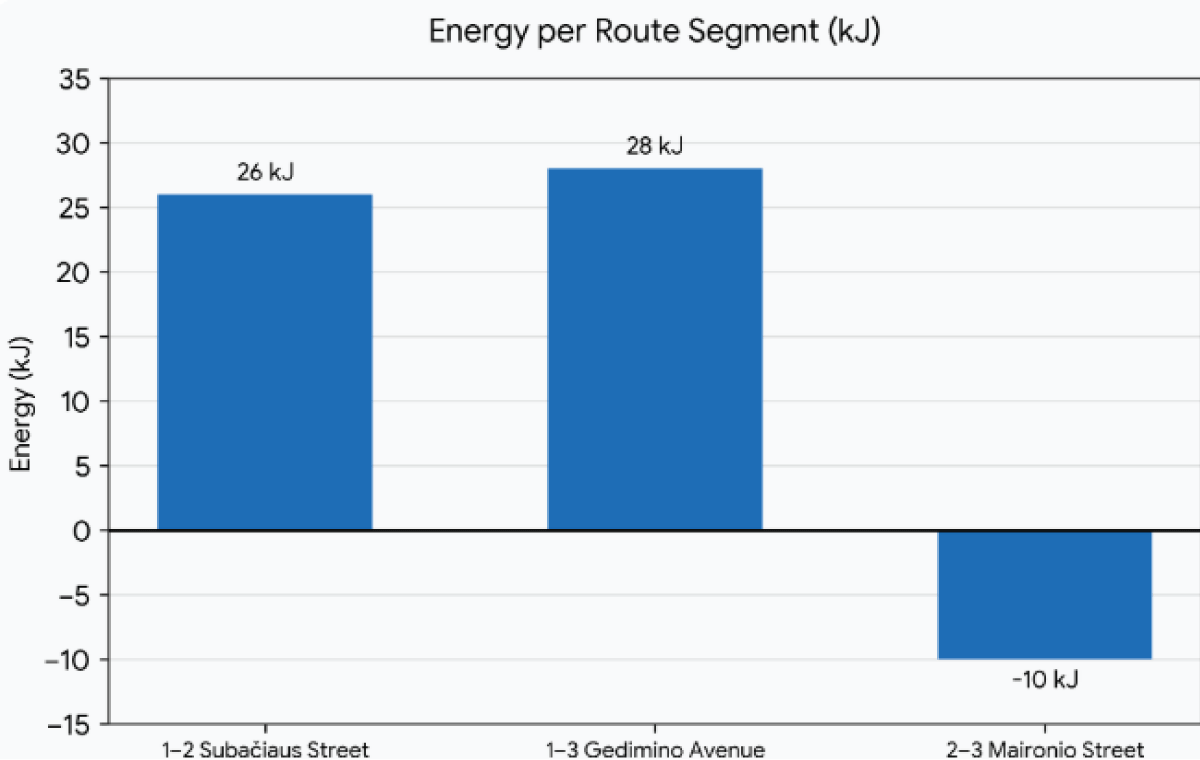
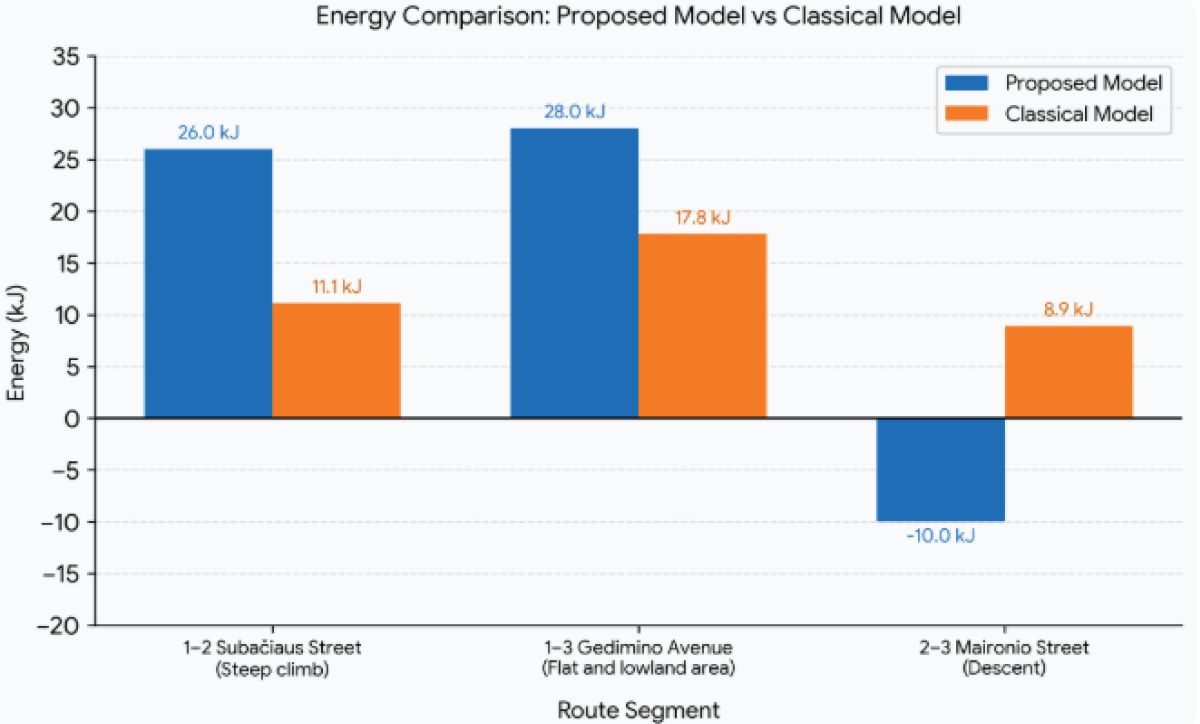
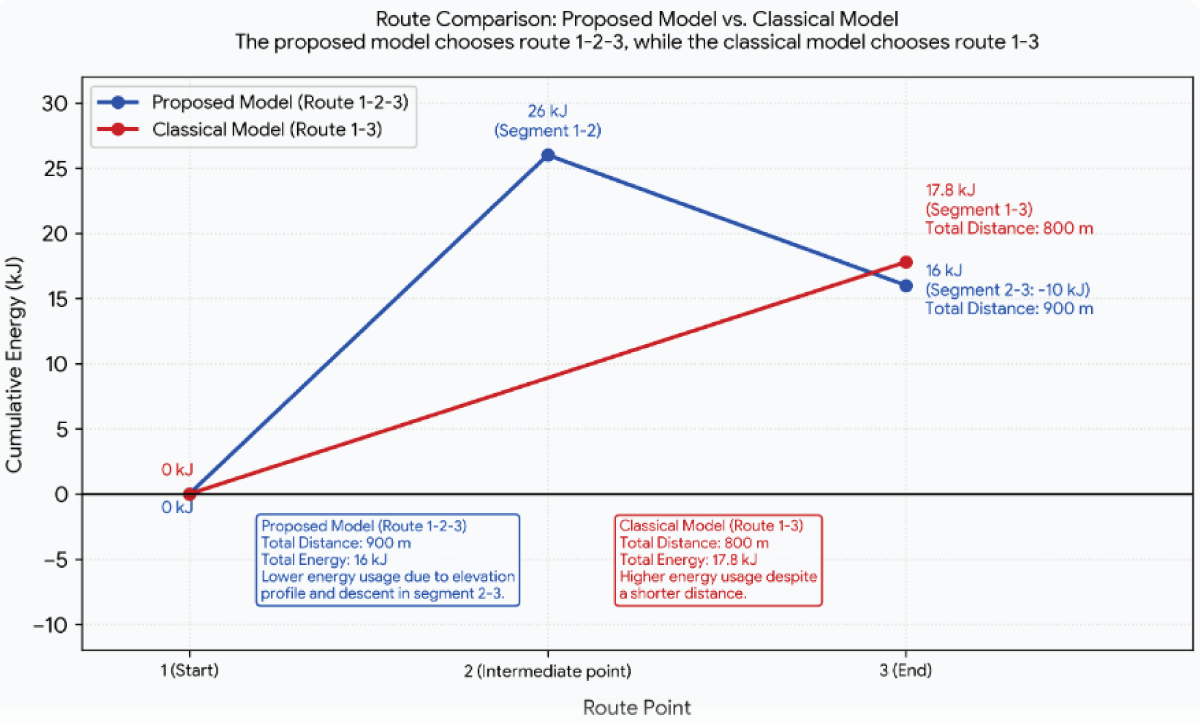
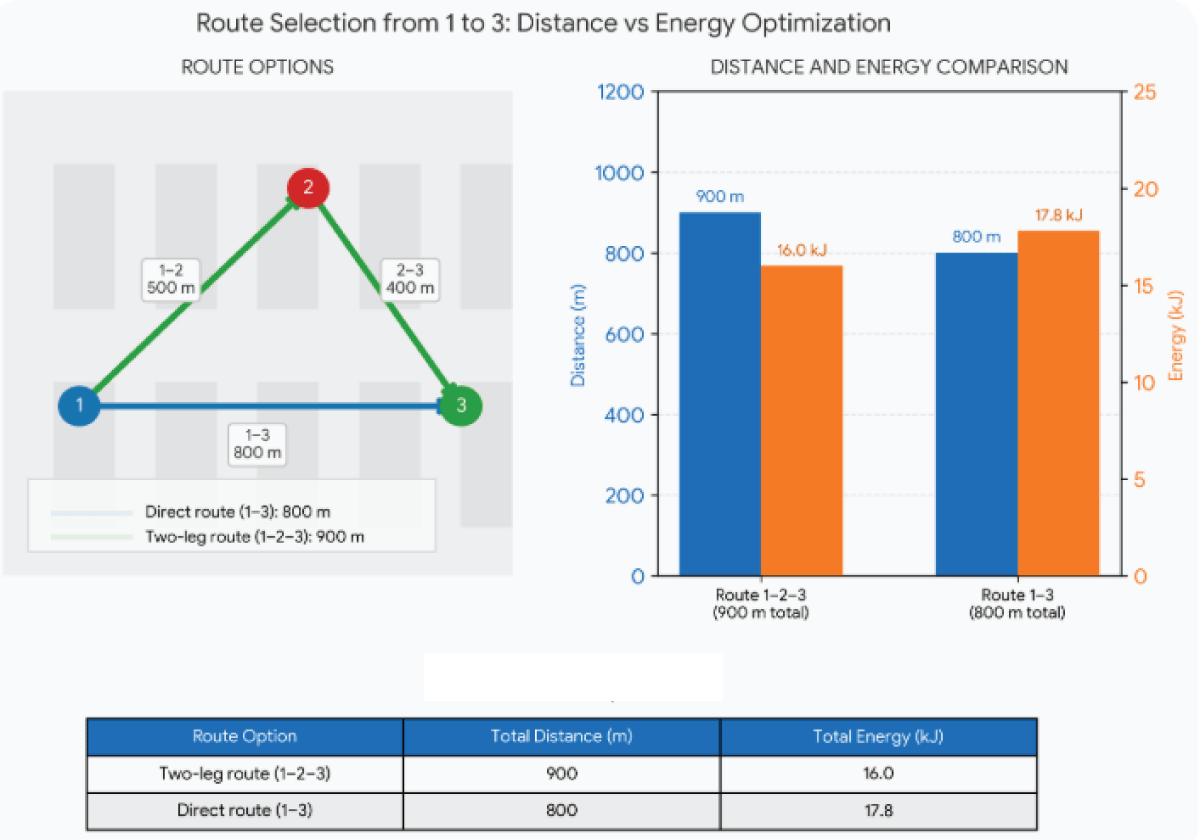
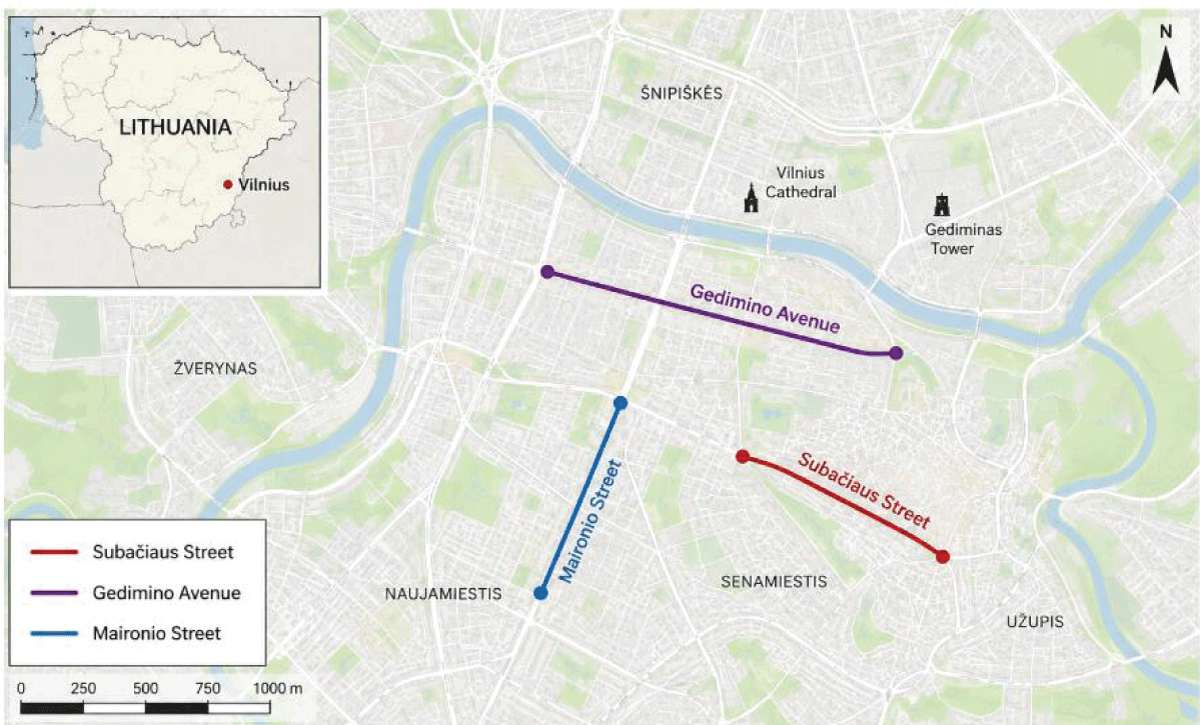
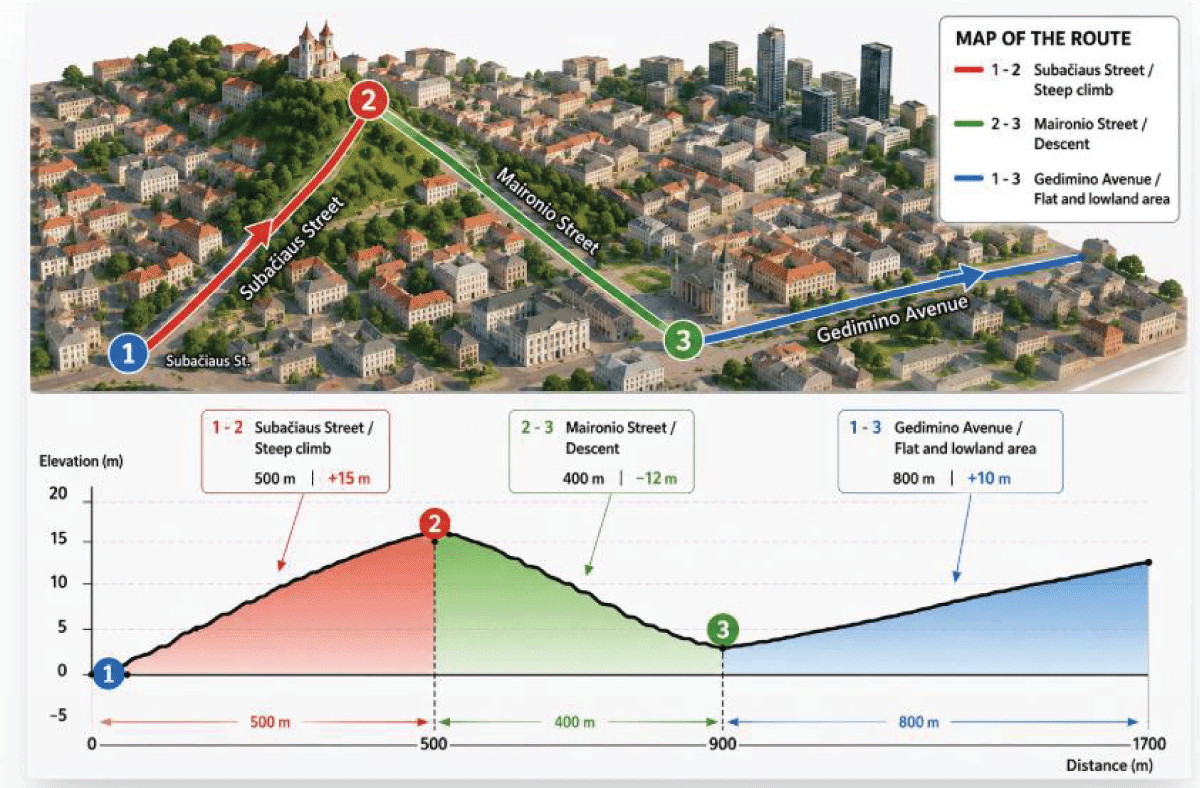
Micromobility has emerged as an important element of sustainable urban transport, offering an effective solution for first- and last-mile connectivity. Despite the growing adoption of shared electric vehicles, many existing fleet deployment and routing methods continue to prioritise minimising travel distance while paying limited attention to the impact of road topography on energy consumption. This omission is particularly relevant in cities with varying terrain, where elevation changes can significantly affect battery usage and overall operational efficiency. This paper introduces a physics-informed optimisation framework that incorporates terrain-related energy demand into micromobility fleet deployment. Instead of relying solely on travel distance, the proposed approach estimates the energy required for vehicle movement by accounting for rolling resistance, aerodynamic drag, gravitational effects caused by road slopes, and energy recovery through regenerative braking on downhill sections. These energy calculations are embedded within a graph-based optimisation model whose objective is to identify routes with the lowest total energy consumption. To assess the effectiveness of the proposed methodology, a case study was conducted using selected road segments from the Vilnius street network that represent different topographical characteristics. The simulation results indicate that road elevation has a substantial influence on vehicle energy requirements. They also reveal that the shortest path does not always correspond to the most energy-efficient one. In several scenarios, longer routes consumed less energy because of more favourable elevation profiles and the additional benefits provided by regenerative braking. Compared with traditional distance-based routing strategies, the proposed framework offers a more accurate representation of real-world energy consumption, leading to better-informed fleet deployment decisions. The methodology is suitable for integration into real-time fleet management systems and smart city platforms, where it can contribute to lower energy consumption, improved battery utilisation, and more sustainable operation of shared micromobility services.
Figures

References

    1. Shaheen S, Cohen A. Shared micromobility policies: a review of North American cities. Transp Rev. 2020;40(2):1‑25. doi:10.1080/01441647.2019.1703847.
    2. Giordano M, Chow JYJ. An e‑scooter service region and fleet allocation design problem with elastic demand. Transp Res Part D Transp Environ. 2024. Available from: https://www.sciencedirect.com/science/article/pii/S136192092400110X.
    3. Jin Z, Ma D, Li P, Li Y, Zhang L. Managing shared electric micromobility systems: allocation planning and battery swapping. Transp Res Part E Logist Transp Rev. 2025. doi:10.1016/j.tre.2025.104108.
    4. Porat O, Fire M, Ben‑Elia E. A comprehensive machine learning framework for micromobility demand prediction. Comput Sci Mach Learn. 2025. Available from: https://arxiv.org/abs/2507.02715.
    5. Korzilius O, Borsboom O, Hofman T, Salazar M. Optimal design of electric micromobility vehicles. Electr Eng Syst Sci Syst Control. 2021. Available from: https://arxiv.org/abs/2104.10155.
    6. Bányai T, Veres P, Bányai A. Real‑time optimisation for a greener micromobility‑based last‑mile logistics. Appl Sci. 2026;16(6):2933. doi:10.3390/app16062933.
    7. Liu H, Zhang A. Electric vehicle path optimisation research based on charging and switching methods under V2G. Sci Rep. 2024;14:30843. doi:10.1038/s41598‑024‑81449‑0.
    8. Xiong H, Xu Y, Yan H, Guo H, Zhang C. Optimising electric vehicle routing under traffic congestion: a comprehensive energy consumption model considering drivetrain losses. Comput Oper Res. 2024. doi:10.1016/j.cor.2024.106710.
    9. Lai K, Sun D, Xu B, Li F, Liu Y, Liao G, Jian J. Energy‑model‑based global path planning for pure electric commercial vehicles toward 3D environments. Machines. 2025;13(12):1151. Available from: https://www.mdpi.com/2075-1702/13/12/1151.
    10. Snoeck A, et al. Energy estimation of last‑mile electric vehicle routes. arXiv preprint. 2024. Available from: https://arxiv.org/abs/2408.12006.
    11. Lim H, Lee JW, Boyack J, Choi JB. EV‑PINN: a physics‑informed neural network for predicting electric vehicle dynamics. Comput Sci Mach Learn. 2024. Available from: https://arxiv.org/abs/2411.14691.
    12. Lim H, Lee JW, Boyack J, Choi JB. VEGA: electric vehicle navigation agent via physics‑informed neural operator and proximal policy optimisation. Comput Sci Robot. 2025. Available from: https://arxiv.org/abs/2509.13386.
    13. Kropiwnicki J, Gawłas T, Eicke A, Smolen S. Regenerative braking process for the urban traffic conditions in Gdańsk and Bremen. Adv Sci Technol Res J. 2025;19(8):217‑31. doi:10.12913/22998624/205027.
    14. Yang X, Wang J, Han S, He S. Micromobility flow prediction: a bike sharing station‑level study via multi‑level spatial‑temporal attention neural network. Comput Sci Artif Intell. 2025. Available from: https://arxiv.org/abs/2507.16020.
    15. Protogyrou D, Hajibabai L. A heuristic for battery‑constrained charging and rebalancing of micromobility devices. Transp Res Rec J Transp Res Board. 2025. doi:10.1177/03611981251366252.
    16. Tan H, Yan H, Yang L, Yang Y. Small fleet, big impact: enhancing shared micromobility efficiency through minimal autonomous vehicle deployment. Comput Sci Multiagent Syst. 2025. Available from: https://arxiv.org/abs/2510.04271.
    17. Bányai A, Kaczmar I, Bányai T. Route optimisation and scheduling for asymmetric micromobility‑based logistics. Symmetry. 2026;17(4):547. doi:10.3390/sym17040547.
    18. Zin MM, Patanukhom K, Demissie MG, Phithakkitnukoon S. Hybrid graph convolutional‑recurrent framework with community detection for spatiotemporal demand prediction in micromobility systems. Mathematics. 2025;14(1):116. doi:10.3390/math14010116.
    19. Trautwein I, Ravlija R, Sonntag M. Data‑based insights into the usage of micromobility sharing. J Electr Syst Inf Technol. 2025. Available from: https://link.springer.com/article/10.1186/s43067-025-00251-8.
    20. He BY, Kluger R. Understanding shared micromobility travel patterns through a deep embedded clustering approach. Environ Plan B Urban Anal City Sci. 2025. doi:10.1177/23998083251413417.
    21. Garus A, Dadashev G, Ciuffo B, Nahmias‑Biran B. Urban micromobility in practice: insights from a full‑year analysis of shared scooter use in Tel Aviv. Smart Cities. 2025;8(6):207. doi:10.3390/smartcities8060207.
    22. De Bartolomeo S, Ottomanelli M, Caggiani L. An equity parking area location model for transition from dockless to docked shared micromobility systems. Sustain Mobil Transp. 2025;2:23. Available from: https://www.nature.com/articles/s44333-025-00038-4.
    23. Koumleh SJA, Paparella. Intermodal network of autonomous mobility‑on‑demand and micromobility systems. Electr Eng Syst Sci Syst Control. 2025. Available from: https://arxiv.org/abs/2504.00716.
    24. Yan S, Kaundanya C, O’Connor NE, Little S, Liu M. Machine learning in micromobility: a systematic review of datasets, techniques, and applications. Comput Sci Mach Learn. 2025. Available from: https://arxiv.org/abs/2508.16135.
    25. Alhanouti M, Gauterin F. A generic model for accurate energy estimation of electric vehicles. Energies. 2024;17(2):434. doi:10.3390/en17020434.
    26. Skuza A, Szumska EM, Jurecki R, Pawelec A. Modelling the impact of traffic parameters on electric vehicle energy consumption. Energies. 2024;17(21):5423. doi:10.3390/en17215423.
    27. Ekici YE, Karadağ T, Akdağ O. Redefining urban mobility: real‑world regenerative braking optimisation via bio‑inspired AI for electric buses energy efficiency. Energy. 2025;338:138854. doi:10.1016/j.energy.2025.138854

Why publish with us?

  • Global Visibility – Indexed in major databases

  • Fast Peer Review – Decision within 14–21 days

  • Open Access – Maximize readership and citation

  • Multidisciplinary Scope – Biology, Medicine and Engineering

  • Editorial Board Excellence – Global experts involved

  • University Library Indexing – Via OCLC

  • Permanent Archiving – CrossRef DOI

  • APC – Affordable APCs with discounts

  • Citation – High Citation Potential

Submit Your Article

Advertisement