


Help ?

IGMIN: We're glad you're here. Please click 'create a new query' if you are a new visitor to our website and need further information from us.

If you are already a member of our network and need to keep track of any developments regarding a question you have already submitted, click 'take me to my Query.'

Search

Organised by  IgMin Fevicon

Regional sites

Browse by Subjects

Welcome to IgMin Research – an Open Access journal uniting Biology, Medicine, and Engineering. We’re dedicated to advancing global knowledge and fostering collaboration across scientific fields.

Browse by Sections

At IgMin Research, we bridge the frontiers of Biology, Medicine, and Engineering to foster interdisciplinary innovation. Our expanded scope now embraces a wide spectrum of scientific disciplines, empowering global researchers to explore, contribute, and collaborate through open access.

Members

We work to foster an ecosystem where disciplines intersect, promoting faster knowledge expansion.

Articles

We work to foster an ecosystem where disciplines intersect, promoting faster knowledge expansion.

Explore Content

We work to foster an ecosystem where disciplines intersect, promoting faster knowledge expansion.

Identify Us

We work to foster an ecosystem where disciplines intersect, promoting faster knowledge expansion.

IgMin Corporation

Welcome to IgMin, a leading platform dedicated to enhancing knowledge dissemination and professional growth across multiple fields of science, technology, and the humanities. We believe in the power of open access, collaboration, and innovation. Our goal is to provide individuals and organizations with the tools they need to succeed in the global knowledge economy.

Publications Support
[email protected]
E-Books Support
[email protected]
Webinars & Conferences Support
[email protected]
Content Writing Support
[email protected]
IT Support
[email protected]

Search

Select Language

Explore Section

Content for the explore section slider goes here.

218 of 217
Detection of Adenoviruses and Astroviruses in Patients and Marine Animals in the Republic of Guinea
Andre Saa TogbodounoRoland Tenkiano, Emmanuel Saa Millimono, Rene Tamba Tolno, Jacqueline Sia Mara, Ramatoulaye Balde, Lansana II Soumah, Moussa Kolie, Laurent Gbago Onivogui, Sanaba Boumbaly, Boubacar Sidy Sily Bah and Mohamed Sahar Traore
END
Abstract

Abstract at IgMin Research

We work to foster an ecosystem where disciplines intersect, promoting faster knowledge expansion.

Medicine Group Research Article Article ID: igmin329

The Cancer Stem Cell Concept as Applied to Prostate Cancer

Oncology DOI10.61927/igmin329 Affiliation

Affiliation

    Department of Urology, Institute for Stem Cell and Regenerative Medicine, University of Washington, Seattle, WA 98195, USA

63
VIEWS
16
DOWNLOADS
Connect with Us

Abstract

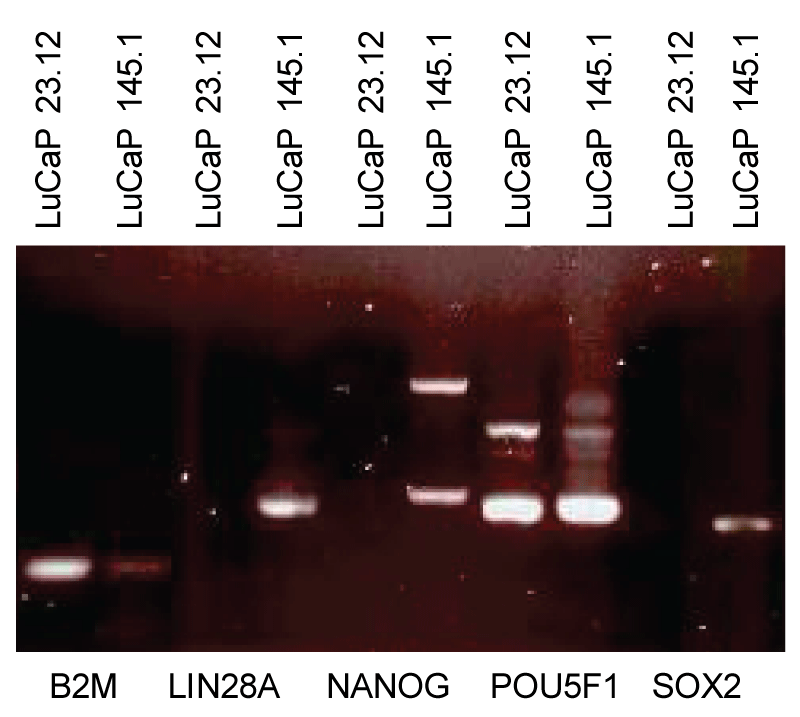
The cancer stem cell (CSC) hypothesis proposes that rare tumor-initiating cells with stem-like properties drive cancer progression and metastasis. Through comprehensive analysis of prostate cancer patient-derived xenografts (PDX), we demonstrate that all cancer cell types—not exclusively stem-like cells—can initiate tumors in mice, contradicting a core CSC tenet. CD44, commonly used to identify CSCs, proved inconsistent in prostate cancer. However, stem-like cancer cells do exist, characterized by expression of stem cell transcription factors (LIN28A, NANOG, POU5F1, SOX2) and low β-2 microglobulin (scTF⁺B2Mlo). We show that differentiated adenocarcinomas can be experimentally reprogrammed to stem-like small cell carcinomas through scTF expression, while stromal signaling molecules like proenkephalin (PENK) induce differentiation. These findings reveal that prostate cancer progression involves dynamic dedifferentiation due to loss of stromal signaling rather than clonal expansion of rare CSCs. Cancer cells exhibit remarkable plasticity, undergoing reversible differentiation-dedifferentiation cycles independent of mutation burden, suggesting differentiation therapy as a promising treatment strategy.
Figures

References

    1. Tan BT, Park CY, Ailles LE, Weissman IL. The cancer stem cell hypothesis: a work in progress. Lab Invest. 2006 Dec;86(12):1203-7. doi: 10.1038/labinvest.3700488. Epub 2006 Oct 30. PMID: 17075578.
    2. Bonnet D, Dick JE. Human acute myeloid leukemia is organized as a hierarchy that originates from a primitive hematopoietic cell. Nat Med. 1997 Jul;3(7):730-7. doi: 10.1038/nm0797-730. PMID: 9212098.
    3. Al-Hajj M, Wicha MS, Benito-Hernandez A, Morrison SJ, Clarke MF. Prospective identification of tumorigenic breast cancer cells. Proc Natl Acad Sci U S A. 2003 Apr 1;100(7):3983-8. doi: 10.1073/pnas.0530291100. Epub 2003 Mar 10. Erratum in: Proc Natl Acad Sci U S A. 2003 May 27;100(11):6890. PMID: 12629218; PMCID: PMC153034.
    4. Singh SK, Clarke ID, Terasaki M, Bonn VE, Hawkins C, Squire J, Dirks PB. Identification of a cancer stem cell in human brain tumors. Cancer Res. 2003 Sep 15;63(18):5821-8. PMID: 14522905.
    5. Hemmati HD, Nakano I, Lazareff JA, Masterman-Smith M, Geschwind DH, Bronner-Fraser M, Kornblum HI. Cancerous stem cells can arise from pediatric brain tumors. Proc Natl Acad Sci U S A. 2003 Dec 9;100(25):15178-83. doi: 10.1073/pnas.2036535100. Epub 2003 Nov 26. PMID: 14645703; PMCID: PMC299944.
    6. Nguyen HM, Vessella RL, Morrissey C, Brown LG, Coleman IM, Higano CS, Mostaghel EA, Zhang X, True LD, Lam HM, Roudier M, Lange PH, Nelson PS, Corey E. LuCaP Prostate Cancer Patient-Derived Xenografts Reflect the Molecular Heterogeneity of Advanced Disease an--d Serve as Models for Evaluating Cancer Therapeutics. Prostate. 2017 May;77(6):654-671. doi: 10.1002/pros.23313. Epub 2017 Feb 3. PMID: 28156002; PMCID: PMC5354949.
    7. Pascal LE, Vêncio RZ, Vessella RL, Ware CB, Vêncio EF, Denyer G, Liu AY. Lineage relationship of prostate cancer cell types based on gene expression. BMC Med Genomics. 2011 May 23;4:46. doi: 10.1186/1755-8794-4-46. PMID: 21605402; PMCID: PMC3113924.
    8. Lee CJ, Dosch J, Simeone DM. Pancreatic cancer stem cells. J Clin Oncol. 2008 Jun 10;26(17):2806-12. doi: 10.1200/JCO.2008.16.6702. PMID: 18539958.
    9. Dalerba P, Dylla SJ, Park IK, Liu R, Wang X, Cho RW, Hoey T, Gurney A, Huang EH, Simeone DM, Shelton AA, Parmiani G, Castelli C, Clarke MF. Phenotypic characterization of human colorectal cancer stem cells. Proc Natl Acad Sci U S A. 2007 Jun 12;104(24):10158-63. doi: 10.1073/pnas.0703478104. Epub 2007 Jun 4. PMID: 17548814; PMCID: PMC1891215.
    10. Mallika L, Rajarathinam M, Thangavel S. Cancer stem cells in head and neck squamous cell carcinoma and its associated markers: A review. Indian J Pathol Microbiol. 2024 Apr 1;67(2):250-258. doi: 10.4103/ijpm.ijpm_467_23. Epub 2023 Nov 9. PMID: 38394427.
    11. Patrawala L, Calhoun T, Schneider-Broussard R, Li H, Bhatia B, Tang S, Reilly JG, Chandra D, Zhou J, Claypool K, Coghlan L, Tang DG. Highly purified CD44+ prostate cancer cells from xenograft human tumors are enriched in tumorigenic and metastatic progenitor cells. Oncogene. 2006 Mar 16;25(12):1696-708. doi: 10.1038/sj.onc.1209327. PMID: 16449977.
    12. Liu AY, True LD. Characterization of prostate cell types by CD cell surface molecules. Am J Pathol. 2002 Jan;160(1):37-43. doi: 10.1016/S0002-9440(10)64346-5. PMID: 11786396; PMCID: PMC1867111.
    13. Liu AY, Roudier MP, True LD. Heterogeneity in primary and metastatic prostate cancer as defined by cell surface CD profile. Am J Pathol. 2004 Nov;165(5):1543-56. doi: 10.1016/S0002-9440(10)63412-8. PMID: 15509525; PMCID: PMC1618667.
    14. Quek SI, Ho ME, Loprieno MA, Ellis WJ, Elliott N, Liu AY. A multiplex assay to measure RNA transcripts of prostate cancer in urine. PLoS One. 2012;7(9):e45656. doi: 10.1371/journal.pone.0045656. Epub 2012 Sep 20. PMID: 23029164; PMCID: PMC3447789.
    15. Liu AY. Differential expression of cell surface molecules in prostate cancer cells. Cancer Res. 2000 Jul 1;60(13):3429-34. PMID: 10910052.
    16. Oudes AJ, Campbell DS, Sorensen CM, Walashek LS, True LD, Liu AY. Transcriptomes of human prostate cells. BMC Genomics. 2006 Apr 25;7:92. doi: 10.1186/1471-2164-7-92. PMID: 16638148; PMCID: PMC1553448.
    17. Pascal LE, Vêncio RZ, Goo YA, Page LS, Shadle CP, Liu AY. Temporal expression profiling of the effects of secreted factors from prostate stromal cells on embryonal carcinoma stem cells. Prostate. 2009 Sep 1;69(12):1353-65. doi: 10.1002/pros.20982. PMID: 19455603.
    18. Vêncio RZ, Koide T. HTself: self-self based statistical test for low replication microarray studies. DNA Res. 2005;12(3):211-4. doi: 10.1093/dnares/dsi007. PMID: 16303752.
    19. Liu AY, Vêncio RZ, Page LS, Ho ME, Loprieno MA, True LD. Bladder expression of CD cell surface antigens and cell-type-specific transcriptomes. Cell Tissue Res. 2012 Jun;348(3):589-600. doi: 10.1007/s00441-012-1383-y. Epub 2012 Mar 20. PMID: 22427119; PMCID: PMC3367057.
    20. Pascal LE, Oudes AJ, Petersen TW, Goo YA, Walashek LS, True LD, Liu AY. Molecular and cellular characterization of ABCG2 in the prostate. BMC Urol. 2007 Apr 10;7:6. doi: 10.1186/1471-2490-7-6. PMID: 17425799; PMCID: PMC1853103.
    21. Hirschmann-Jax C, Foster AE, Wulf GG, Nuchtern JG, Jax TW, Gobel U, Goodell MA, Brenner MK. A distinct "side population" of cells with high drug efflux capacity in human tumor cells. Proc Natl Acad Sci U S A. 2004 Sep 28;101(39):14228-33. doi: 10.1073/pnas.0400067101. Epub 2004 Sep 20. PMID: 15381773; PMCID: PMC521140.
    22. Patel BJ, Pantuck AJ, Zisman A, Tsui KH, Paik SH, Caliliw R, Sheriff S, Wu L, deKernion JB, Tso CL, Belldegrun AS. CL1-GFP: an androgen independent metastatic tumor model for prostate cancer. J Urol. 2000 Oct;164(4):1420-5. PMID: 10992426.
    23. Liu AY, Brubaker KD, Goo YA, Quinn JE, Kral S, Sorensen CM, Vessella RL, Belldegrun AS, Hood LE. Lineage relationship between LNCaP and LNCaP-derived prostate cancer cell lines. Prostate. 2004 Jul 1;60(2):98-108. doi: 10.1002/pros.20031. PMID: 15162376.
    24. Yu J, Vodyanik MA, Smuga-Otto K, Antosiewicz-Bourget J, Frane JL, Tian S, Nie J, Jonsdottir GA, Ruotti V, Stewart R, Slukvin II, Thomson JA. Induced pluripotent stem cell lines derived from human somatic cells. Science. 2007 Dec 21;318(5858):1917-20. doi: 10.1126/science.1151526. Epub 2007 Nov 20. PMID: 18029452.
    25. Vêncio EF, Nelson AM, Cavanaugh C, Ware CB, Milller DG, Garcia JC, Vêncio RZ, Loprieno MA, Liu AY. Reprogramming of prostate cancer-associated stromal cells to embryonic stem-like. Prostate. 2012 Sep 15;72(13):1453-63. doi: 10.1002/pros.22497. Epub 2012 Feb 7. PMID: 22314551.
    26. Ring KL, Tong LM, Balestra ME, Javier R, Andrews-Zwilling Y, Li G, Walker D, Zhang WR, Kreitzer AC, Huang Y. Direct reprogramming of mouse and human fibroblasts into multipotent neural stem cells with a single factor. Cell Stem Cell. 2012 Jul 6;11(1):100-9. doi: 10.1016/j.stem.2012.05.018. Epub 2012 Jun 7. PMID: 22683203; PMCID: PMC3399516.
    27. Borges GT, Vêncio EF, Quek SI, Chen A, Salvanha DM, Vêncio RZ, Nguyen HM, Vessella RL, Cavanaugh C, Ware CB, Troisch P, Liu AY. Conversion of Prostate Adenocarcinoma to Small Cell Carcinoma-Like by Reprogramming. J Cell Physiol. 2016 Sep;231(9):2040-7. doi: 10.1002/jcp.25313. Epub 2016 Feb 4. PMID: 26773436.
    28. Kanan AD, Corey E, Vêncio RZN, Ishwar A, Liu AY. Lineage relationship between prostate adenocarcinoma and small cell carcinoma. BMC Cancer. 2019 May 30;19(1):518. doi: 10.1186/s12885-019-5680-7. PMID: 31146720; PMCID: PMC6543672.
    29. Pascal LE, Vêncio RZ, Page LS, Liebeskind ES, Shadle CP, Troisch P, Marzolf B, True LD, Hood LE, Liu AY. Gene expression relationship between prostate cancer cells of Gleason 3, 4 and normal epithelial cells as revealed by cell type-specific transcriptomes. BMC Cancer. 2009 Dec 18;9:452. doi: 10.1186/1471-2407-9-452. PMID: 20021671; PMCID: PMC2809079.
    30. Williamson SR, Zhang S, Yao JL, Huang J, Lopez-Beltran A, Shen S, Osunkoya AO, MacLennan GT, Montironi R, Cheng L. ERG-TMPRSS2 rearrangement is shared by concurrent prostatic adenocarcinoma and prostatic small cell carcinoma and absent in small cell carcinoma of the urinary bladder: evidence supporting monoclonal origin. Mod Pathol. 2011 Aug;24(8):1120-7. doi: 10.1038/modpathol.2011.56. Epub 2011 Apr 15. PMID: 21499238; PMCID: PMC3441178.
    31. Newcomb LF, Thompson IM Jr, Boyer HD, Brooks JD, Carroll PR, Cooperberg MR, Dash A, Ellis WJ, Fazli L, Feng Z, Gleave ME, Kunju P, Lance RS, McKenney JK, Meng MV, Nicolas MM, Sanda MG, Simko J, So A, Tretiakova MS, Troyer DA, True LD, Vakar-Lopez F, Virgin J, Wagner AA, Wei JT, Zheng Y, Nelson PS, Lin DW; Canary PASS Investigators. Outcomes of Active Surveillance for Clinically Localized Prostate Cancer in the Prospective, Multi-Institutional Canary PASS Cohort. J Urol. 2016 Feb;195(2):313-20. doi: 10.1016/j.juro.2015.08.087. Epub 2015 Aug 29. PMID: 26327354; PMCID: PMC4970462.
    32. Liu AY. Prostate cancer research: tools, cell types, and molecular targets. Front Oncol. 2024 Mar 26;14:1321694. doi: 10.3389/fonc.2024.1321694. PMID: 38595814; PMCID: PMC11002103.
    33. Epstein JI, Amin MB, Beltran H, Lotan TL, Mosquera JM, Reuter VE, Robinson BD, Troncoso P, Rubin MA. Proposed morphologic classification of prostate cancer with neuroendocrine differentiation. Am J Surg Pathol. 2014 Jun;38(6):756-67. doi: 10.1097/PAS.0000000000000208. PMID: 24705311; PMCID: PMC4112087.
    34. Liu AY. The opposing action of stromal cell proenkephalin and stem cell transcription factors in prostate cancer differentiation. BMC Cancer. 2021 Dec 15;21(1):1335. doi: 10.1186/s12885-021-09090-y. PMID: 34911496; PMCID: PMC8675470.
    35. Albino D, Civenni G, Dallavalle C, Roos M, Jahns H, Curti L, Rossi S, Pinton S, D'Ambrosio G, Sessa F, Hall J, Catapano CV, Carbone GM. Activation of the Lin28/let-7 Axis by Loss of ESE3/EHF Promotes a Tumorigenic and Stem-like Phenotype in Prostate Cancer. Cancer Res. 2016 Jun 15;76(12):3629-43. doi: 10.1158/0008-5472.CAN-15-2665. Epub 2016 May 2. PMID: 27197175.
    36. Jeter CR, Liu B, Lu Y, Chao HP, Zhang D, Liu X, Chen X, Li Q, Rycaj K, Calhoun-Davis T, Yan L, Hu Q, Wang J, Shen J, Liu S, Tang DG. NANOG reprograms prostate cancer cells to castration resistance via dynamically repressing and engaging the AR/FOXA1 signaling axis. Cell Discov. 2016 Nov 15;2:16041. doi: 10.1038/celldisc.2016.41. PMID: 27867534; PMCID: PMC5109294.
    37. Kosaka T, Mikami S, Yoshimine S, Miyazaki Y, Daimon T, Kikuchi E, Miyajima A, Oya M. The prognostic significance of OCT4 expression in patients with prostate cancer. Hum Pathol. 2016 May;51:1-8. doi: 10.1016/j.humpath.2015.12.008. Epub 2015 Dec 30. PMID: 27067776.
    38. Yu X, Cates JM, Morrissey C, You C, Grabowska MM, Zhang J, DeGraff DJ, Strand DW, Franco OE, Lin-Tsai O, Hayward SW, Matusik RJ. SOX2 expression in the developing, adult, as well as, diseased prostate. Prostate Cancer Prostatic Dis. 2014 Dec;17(4):301-9. doi: 10.1038/pcan.2014.29. Epub 2014 Aug 5. PMID: 25091041; PMCID: PMC4227931.
    39. Cunha GR. Urogenital development: a four-part story of mesenchymal-epithelial interactions. Differentiation. 2010 Sep-Oct;80(2-3):79-80. doi: 10.1016/j.diff.2010.08.004. Epub 2010 Sep 1. PMID: 20813448; PMCID: PMC4699566.
    40. Goo YA, Goodlett DR, Pascal LE, Worthington KD, Vessella RL, True LD, Liu AY. Stromal mesenchyme cell genes of the human prostate and bladder. BMC Urol. 2005 Dec 12;5:17. doi: 10.1186/1471-2490-5-17. PMID: 16343351; PMCID: PMC1327674.
    41. Di Carlo E, Sorrentino C. The multifaceted role of the stroma in the healthy prostate and prostate cancer. J Transl Med. 2024 Sep 5;22(1):825. doi: 10.1186/s12967-024-05564-2. PMID: 39238004; PMCID: PMC11378418.
    42. Pascal LE, Goo YA, Vêncio RZ, Page LS, Chambers AA, Liebeskind ES, Takayama TK, True LD, Liu AY. Gene expression down-regulation in CD90+ prostate tumor-associated stromal cells involves potential organ-specific genes. BMC Cancer. 2009 Sep 8;9:317. doi: 10.1186/1471-2407-9-317. PMID: 19737398; PMCID: PMC2745432.
    43. True LD, Zhang H, Ye M, Huang CY, Nelson PS, von Haller PD, Tjoelker LW, Kim JS, Qian WJ, Smith RD, Ellis WJ, Liebeskind ES, Liu AY. CD90/THY1 is overexpressed in prostate cancer-associated fibroblasts and could serve as a cancer biomarker. Mod Pathol. 2010 Oct;23(10):1346-56. doi: 10.1038/modpathol.2010.122. Epub 2010 Jun 18. PMID: 20562849; PMCID: PMC2948633.
    44. Pascal LE, Ai J, Vêncio RZ, Vêncio EF, Zhou Y, Page LS, True LD, Wang Z, Liu AY. Differential Inductive Signaling of CD90 Prostate Cancer-Associated Fibroblasts Compared to Normal Tissue Stromal Mesenchyme Cells. Cancer Microenviron. 2011 Jan 7;4(1):51-9. doi: 10.1007/s12307-010-0061-4. PMID: 21505567; PMCID: PMC3047627.
    45. Kumar A, White TA, MacKenzie AP, Clegg N, Lee C, Dumpit RF, Coleman I, Ng SB, Salipante SJ, Rieder MJ, Nickerson DA, Corey E, Lange PH, Morrissey C, Vessella RL, Nelson PS, Shendure J. Exome sequencing identifies a spectrum of mutation frequencies in advanced and lethal prostate cancers. Proc Natl Acad Sci U S A. 2011 Oct 11;108(41):17087-92. doi: 10.1073/pnas.1108745108. Epub 2011 Sep 26. PMID: 21949389; PMCID: PMC3193229.
    46. Berger MF, Lawrence MS, Demichelis F, Drier Y, Cibulskis K, Sivachenko AY, Sboner A, Esgueva R, Pflueger D, Sougnez C, Onofrio R, Carter SL, Park K, Habegger L, Ambrogio L, Fennell T, Parkin M, Saksena G, Voet D, Ramos AH, Pugh TJ, Wilkinson J, Fisher S, Winckler W, Mahan S, Ardlie K, Baldwin J, Simons JW, Kitabayashi N, MacDonald TY, Kantoff PW, Chin L, Gabriel SB, Gerstein MB, Golub TR, Meyerson M, Tewari A, Lander ES, Getz G, Rubin MA, Garraway LA. The genomic complexity of primary human prostate cancer. Nature. 2011 Feb 10;470(7333):214-20. doi: 10.1038/nature09744. PMID: 21307934; PMCID: PMC3075885.
    47. Cancer Genome Atlas Network. Comprehensive molecular portraits of human breast tumours. Nature. 2012 Oct 4;490(7418):61-70. doi: 10.1038/nature11412. Epub 2012 Sep 23. PMID: 23000897; PMCID: PMC3465532.
    48. Chang MT, Penson A, Desai NB, Socci ND, Shen R, Seshan VE, Kundra R, Abeshouse A, Viale A, Cha EK, Hao X, Reuter VE, Rudin CM, Bochner BH, Rosenberg JE, Bajorin DF, Schultz N, Berger MF, Iyer G, Solit DB, Al-Ahmadie HA, Taylor BS. Small-Cell Carcinomas of the Bladder and Lung Are Characterized by a Convergent but Distinct Pathogenesis. Clin Cancer Res. 2018 Apr 15;24(8):1965-1973. doi: 10.1158/1078-0432.CCR-17-2655. Epub 2017 Nov 27. PMID: 29180607; PMCID: PMC5965261.
    49. Qiu W, Hu M, Sridhar A, Opeskin K, Fox S, Shipitsin M, Trivett M, Thompson ER, Ramakrishna M, Gorringe KL, Polyak K, Haviv I, Campbell IG. No evidence of clonal somatic genetic alterations in cancer-associated fibroblasts from human breast and ovarian carcinomas. Nat Genet. 2008 May;40(5):650-5. doi: 10.1038/ng.117. Epub 2008 Apr 13. PMID: 18408720; PMCID: PMC3745022.
    50. Rosen H, Krichevsky A, Polakiewicz RD, Benzakine S, Bar-Shavit Z. Developmental regulation of proenkephalin gene expression in osteoblasts. Mol Endocrinol. 1995 Nov;9(11):1621-31. doi: 10.1210/mend.9.11.8584038. PMID: 8584038.
    51. Stasko SE, Wagner GF. Stanniocalcin gene expression during mouse urogenital development: a possible role in mesenchymal-epithelial signalling. Dev Dyn. 2001 Jan;220(1):49-59. doi: 10.1002/1097-0177(2000)9999:9999<::AID-DVDY1086>3.0.CO;2-5. PMID: 11146507.
    52. Khatun M, Modhukur V, Piltonen TT, Tapanainen JS, Salumets A. Stanniocalcin Protein Expression in Female Reproductive Organs: Literature Review and Public Cancer Database Analysis. Endocrinology. 2024 Aug 27;165(10):bqae110. doi: 10.1210/endocr/bqae110. PMID: 39186548; PMCID: PMC11398916.
    53. Liu AY. Cell-to-cell communication in prostate differentiation and cancer. J Biomed Res Environ Sci. 2024; 5:1338-1348.
    54. Liu AY. How to rejuvenate the prostate damaged by cancer. Regen Med Rep 2025, 2:61-66.
    55. Anderson JM, Van Itallie CM. Physiology and function of the tight junction. Cold Spring Harb Perspect Biol. 2009 Aug;1(2):a002584. doi: 10.1101/cshperspect.a002584. PMID: 20066090; PMCID: PMC2742087.
    56. Büyücek S, Viehweger F, Reiswich V, Gorbokon N, Chirico V, Bernreuther C, Lutz F, Kind S, Schlichter R, Weidemann S, Clauditz TS, Hinsch A, Bawahab AA, Jacobsen F, Luebke AM, Dum D, Hube-Magg C, Kluth M, Möller K, Menz A, Marx AH, Krech T, Lebok P, Fraune C, Sauter G, Simon R, Burandt E, Minner S, Steurer S, Lennartz M, Freytag M. Reduced occludin expression is related to unfavorable tumor phenotype and poor prognosis in many different tumor types: A tissue microarray study on 16,870 tumors. PLoS One. 2025 Apr 2;20(4):e0321105. doi: 10.1371/journal.pone.0321105. PMID: 40173205; PMCID: PMC11964279.
    57. Hewitt KJ, Agarwal R, Morin PJ. The claudin gene family: expression in normal and neoplastic tissues. BMC Cancer. 2006 Jul 12;6:186. doi: 10.1186/1471-2407-6-186. PMID: 16836752; PMCID: PMC1538620.
    58. Orea MJ, Angulo JC, González-Corpas A, Echegaray D, Marvá M, Lobo MVT, Colás B, Ropero S. Claudin-3 Loss of Expression Is a Prognostic Marker in Castration-Resistant Prostate Cancer. Int J Mol Sci. 2023 Jan 2;24(1):803. doi: 10.3390/ijms24010803. PMID: 36614243; PMCID: PMC9820886.
    59. Vêncio EF, Pascal LE, Page LS, Denyer G, Wang AJ, Ruohola-Baker H, Zhang S, Wang K, Galas DJ, Liu AY. Embryonal carcinoma cell induction of miRNA and mRNA changes in co-cultured prostate stromal fibromuscular cells. J Cell Physiol. 2011 Jun;226(6):1479-88. doi: 10.1002/jcp.22464. PMID: 20945389; PMCID: PMC3968429.
    60. van der Voort R, Taher TE, Derksen PW, Spaargaren M, van der Neut R, Pals ST. The hepatocyte growth factor/Met pathway in development, tumorigenesis, and B-cell differentiation. Adv Cancer Res. 2000;79:39-90. doi: 10.1016/s0065-230x(00)79002-6. PMID: 10818677.
    61. Krichevsky AM, Gabriely G. miR-21: a small multi-faceted RNA. J Cell Mol Med. 2009 Jan;13(1):39-53. doi: 10.1111/j.1582-4934.2008.00556.x. PMID: 19175699; PMCID: PMC3823035.
    62. Brockes JP, Gates PB. Mechanisms underlying vertebrate limb regeneration: lessons from the salamander. Biochem Soc Trans. 2014 Jun;42(3):625-30. doi: 10.1042/BST20140002. PMID: 24849229.
    63. Vitello EA, Quek SI, Kincaid H, Fuchs T, Crichton DJ, Troisch P, Liu AY. Cancer-secreted AGR2 induces programmed cell death in normal cells. Oncotarget. 2016 Aug 2;7(31):49425-49434. doi: 10.18632/oncotarget.9921. PMID: 27283903; PMCID: PMC5226518.
    64. Fessart D, Domblides C, Avril T, Eriksson LA, Begueret H, Pineau R, Malrieux C, Dugot-Senant N, Lucchesi C, Chevet E, Delom F. Secretion of protein disulphide isomerase AGR2 confers tumorigenic properties. Elife. 2016 May 30;5:e13887. doi: 10.7554/eLife.13887. PMID: 27240165; PMCID: PMC4940162.
    65. Ho ME, Quek SI, True LD, Seiler R, Fleischmann A, Bagryanova L, Kim SR, Chia D, Goodglick L, Shimizu Y, Rosser CJ, Gao Y, Liu AY. Bladder cancer cells secrete while normal bladder cells express but do not secrete AGR2. Oncotarget. 2016 Mar 29;7(13):15747-56. doi: 10.18632/oncotarget.7400. PMID: 26894971; PMCID: PMC4941274.
    66. Ho ME, Quek SI, True LD, Morrissey C, Corey E, Vessella RL, Dumpit R, Nelson PS, Maresh EL, Mah V, Alavi M, Kim SR, Bagryanova L, Horvath S, Chia D, Goodglick L, Liu AY. Prostate cancer cell phenotypes based on AGR2 and CD10 expression. Mod Pathol. 2013 Jun;26(6):849-59. doi: 10.1038/modpathol.2012.238. Epub 2013 Jan 25. PMID: 23348903; PMCID: PMC3638070.
    67. Dall'Era MA, True LD, Siegel AF, Porter MP, Sherertz TM, Liu AY. Differential expression of CD10 in prostate cancer and its clinical implication. BMC Urol. 2007 Mar 2;7:3. doi: 10.1186/1471-2490-7-3. PMID: 17335564; PMCID: PMC1829163.
    68. Fleischmann A, Rocha C, Saxer-Sekulic N, Zlobec I, Sauter G, Thalmann GN. High CD10 expression in lymph node metastases from surgically treated prostate cancer independently predicts early death. Virchows Arch. 2011 Jun;458(6):741-8. doi: 10.1007/s00428-011-1084-z. Epub 2011 May 3. PMID: 21538124.
    69. Wayner EA, Quek SI, Ahmad R, Ho ME, Loprieno MA, Zhou Y, Ellis WJ, True LD, Liu AY. Development of an ELISA to detect the secreted prostate cancer biomarker AGR2 in voided urine. Prostate. 2012 Jun 15;72(9):1023-34. doi: 10.1002/pros.21508. Epub 2011 Nov 9. PMID: 22072305.
    70. Ruppender NS, Morrissey C, Lange PH, Vessella RL. Dormancy in solid tumors: implications for prostate cancer. Cancer Metastasis Rev. 2013 Dec;32(3-4):501-9. doi: 10.1007/s10555-013-9422-z. PMID: 23612741; PMCID: PMC3796576.
    71. Cackowski FC, Heath EI. Prostate cancer dormancy and recurrence. Cancer Lett. 2022 Jan 1;524:103-108. doi: 10.1016/j.canlet.2021.09.037. Epub 2021 Oct 5. PMID: 34624433; PMCID: PMC8694498.
    72. Liu D, Rudland PS, Sibson DR, Platt-Higgins A, Barraclough R. Human homologue of cement gland protein, a novel metastasis inducer associated with breast carcinomas. Cancer Res. 2005 May 1;65(9):3796-805. doi: 10.1158/0008-5472.CAN-04-3823. PMID: 15867376.
    73. Negi H, Merugu SB, Mangukiya HB, Li Z, Zhou B, Sehar Q, Kamle S, Yunus FU, Mashausi DS, Wu Z, Li D. Anterior Gradient-2 monoclonal antibody inhibits lung cancer growth and metastasis by upregulating p53 pathway and without exerting any toxicological effects: A preclinical study. Cancer Lett. 2019 May 1;449:125-134. doi: 10.1016/j.canlet.2019.01.025. Epub 2019 Jan 25. PMID: 30685412.
    74. Schraps N, Port JC, Menz A, Viehweger F, Büyücek S, Dum D, Schlichter R, Hinsch A, Fraune C, Bernreuther C, Kluth M, Hube-Magg C, Möller K, Reiswich V, Luebke AM, Lebok P, Weidemann S, Sauter G, Lennartz M, Jacobsen F, Clauditz TS, Marx AH, Simon R, Steurer S, Mercanoglu B, Melling N, Hackert T, Burandt E, Gorbokon N, Minner S, Krech T, Lutz F. Prevalence and Significance of AGR2 Expression in Human Cancer. Cancer Med. 2024 Nov;13(21):e70407. doi: 10.1002/cam4.70407. PMID: 39533806; PMCID: PMC11557986.
    75. Liu AY, Kanan AD, Radon TP, Shah S, Weeks ME, Foster JM, Sosabowski JK, Dumartin L, Crnogorac-Jurcevic T. AGR2, a unique tumor-associated antigen, is a promising candidate for antibody targeting. Oncotarget. 2019 Jul 2;10(42):4276-4289. doi: 10.18632/oncotarget.26945. PMID: 31303962; PMCID: PMC6611513.
    76. Fleischmann A, Schlomm T, Huland H, Köllermann J, Simon P, Mirlacher M, Salomon G, Chun FH, Steuber T, Simon R, Sauter G, Graefen M, Erbersdobler A. Distinct subcellular expression patterns of neutral endopeptidase (CD10) in prostate cancer predict diverging clinical courses in surgically treated patients. Clin Cancer Res. 2008 Dec 1;14(23):7838-42. doi: 10.1158/1078-0432.CCR-08-1432. PMID: 19047112.
    77. Dall'Era MA, Oudes A, Martin DB, Liu AY. HSP27 and HSP70 interact with CD10 in C4-2 prostate cancer cells. Prostate. 2007 May 15;67(7):714-21. doi: 10.1002/pros.20558. PMID: 17342744.
    78. Maresh EL, Mah V, Alavi M, Horvath S, Bagryanova L, Liebeskind ES, Knutzen LA, Zhou Y, Chia D, Liu AY, Goodglick L. Differential expression of anterior gradient gene AGR2 in prostate cancer. BMC Cancer. 2010 Dec 13;10:680. doi: 10.1186/1471-2407-10-680. PMID: 21144054; PMCID: PMC3009682.
    79. Aggarwal R, Huang J, Alumkal JJ, Zhang L, Feng FY, Thomas GV, Weinstein AS, Friedl V, Zhang C, Witte ON, Lloyd P, Gleave M, Evans CP, Youngren J, Beer TM, Rettig M, Wong CK, True L, Foye A, Playdle D, Ryan CJ, Lara P, Chi KN, Uzunangelov V, Sokolov A, Newton Y, Beltran H, Demichelis F, Rubin MA, Stuart JM, Small EJ. Clinical and Genomic Characterization of Treatment-Emergent Small-Cell Neuroendocrine Prostate Cancer: A Multi-institutional Prospective Study. J Clin Oncol. 2018 Aug 20;36(24):2492-2503. doi: 10.1200/JCO.2017.77.6880. Epub 2018 Jul 9. PMID: 29985747; PMCID: PMC6366813.
    80. Pece S, Tosoni D, Confalonieri S, Mazzarol G, Vecchi M, Ronzoni S, Bernard L, Viale G, Pelicci PG, Di Fiore PP. Biological and molecular heterogeneity of breast cancers correlates with their cancer stem cell content. Cell. 2010 Jan 8;140(1):62-73. doi: 10.1016/j.cell.2009.12.007. PMID: 20074520.
    81. Meyer MJ, Fleming JM, Lin AF, Hussnain SA, Ginsburg E, Vonderhaar BK. CD44posCD49fhiCD133/2hi defines xenograft-initiating cells in estrogen receptor-negative breast cancer. Cancer Res. 2010 Jun 1;70(11):4624-33. doi: 10.1158/0008-5472.CAN-09-3619. Epub 2010 May 18. PMID: 20484027; PMCID: PMC4129519.

Similar Articles

Purification of Monoacylglycerides using Urea
Ehsan ShoaeiFaranak Kalantari, Sina Golalizadeh and Negin Hamidi
DOI10.61927/igmin325
Utilising Phytoremediation in Green Technologies: Exploring Natural Means of Environmental Clean-up
LM Kalimoldina, Askarova Shinar Kuanganovna, Zhaksybayeva Gulzhan Satzhankyzy, Zh.E. Shaikhova and Sultangaziy Eva Gulbaram Sapina
DOI10.61927/igmin276

Why publish with us?

  • Global Visibility – Indexed in major databases

  • Fast Peer Review – Decision within 14–21 days

  • Open Access – Maximize readership and citation

  • Multidisciplinary Scope – Biology, Medicine and Engineering

  • Editorial Board Excellence – Global experts involved

  • University Library Indexing – Via OCLC

  • Permanent Archiving – CrossRef DOI

  • APC – Affordable APCs with discounts

  • Citation – High Citation Potential

Submit Your Article

Advertisement