


Help ?

IGMIN: We're glad you're here. Please click 'create a new query' if you are a new visitor to our website and need further information from us.

If you are already a member of our network and need to keep track of any developments regarding a question you have already submitted, click 'take me to my Query.'

Search

Organised by  IgMin Fevicon

Regional sites

Browse by Subjects

Welcome to IgMin Research – an Open Access journal uniting Biology, Medicine, and Engineering. We’re dedicated to advancing global knowledge and fostering collaboration across scientific fields.

Browse by Sections

At IgMin Research, we bridge the frontiers of Biology, Medicine, and Engineering to foster interdisciplinary innovation. Our expanded scope now embraces a wide spectrum of scientific disciplines, empowering global researchers to explore, contribute, and collaborate through open access.

Special Issues

We commit to advancing knowledge by facilitating connections across multiple fields of study.

Members

We commit to advancing knowledge by facilitating connections across multiple fields of study.

Articles

We commit to advancing knowledge by facilitating connections across multiple fields of study.

Explore Content

We commit to advancing knowledge by facilitating connections across multiple fields of study.

Identify Us

We commit to advancing knowledge by facilitating connections across multiple fields of study.

IgMin Corporation

Welcome to IgMin, a leading platform dedicated to enhancing knowledge dissemination and professional growth across multiple fields of science, technology, and the humanities. We believe in the power of open access, collaboration, and innovation. Our goal is to provide individuals and organizations with the tools they need to succeed in the global knowledge economy.

Publications Support
[email protected]
E-Books Support
[email protected]
Webinars & Conferences Support
[email protected]
Content Writing Support
[email protected]
IT Support
[email protected]

Search

Select Language

Explore Section

Content for the explore section slider goes here.

Abstract

Abstract at IgMin Research

We commit to advancing knowledge by facilitating connections across multiple fields of study.

Engineering Group Research Article Article ID: igmin321

Effect of Additive Manufacturing Parameters on 316L Mechanical and Corrosion Behavior

Materials Science DOI10.61927/igmin321 Affiliation

Affiliation

    Senior Principal, Materials Engineer (R&D), Emerson – McKinney, Texas, USA

2.4k
VIEWS
580
DOWNLOADS
Connect with Us

Abstract

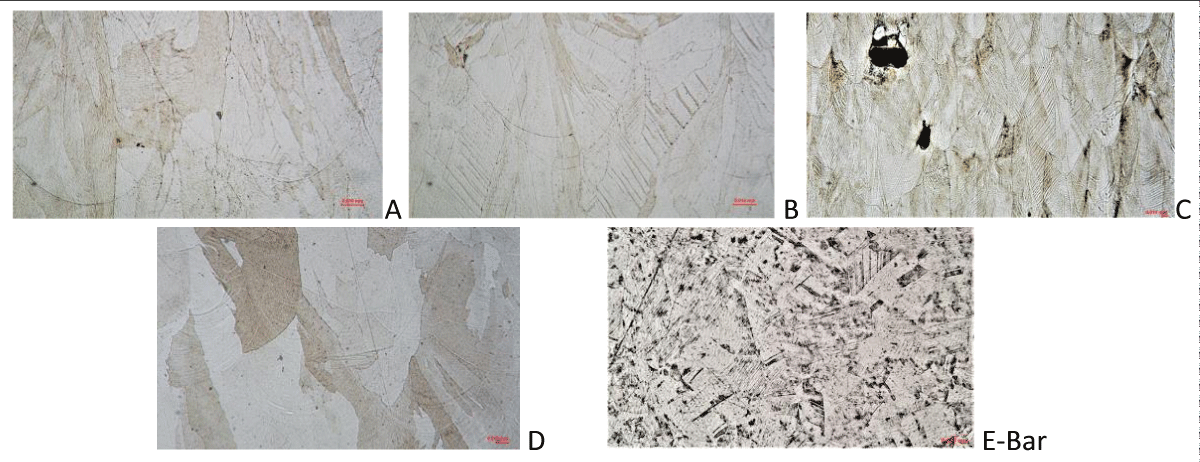
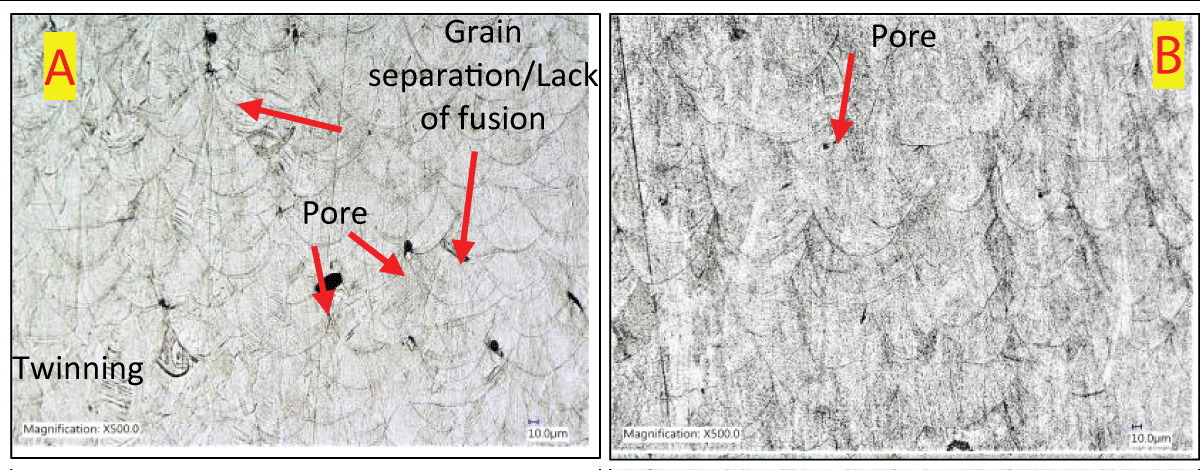
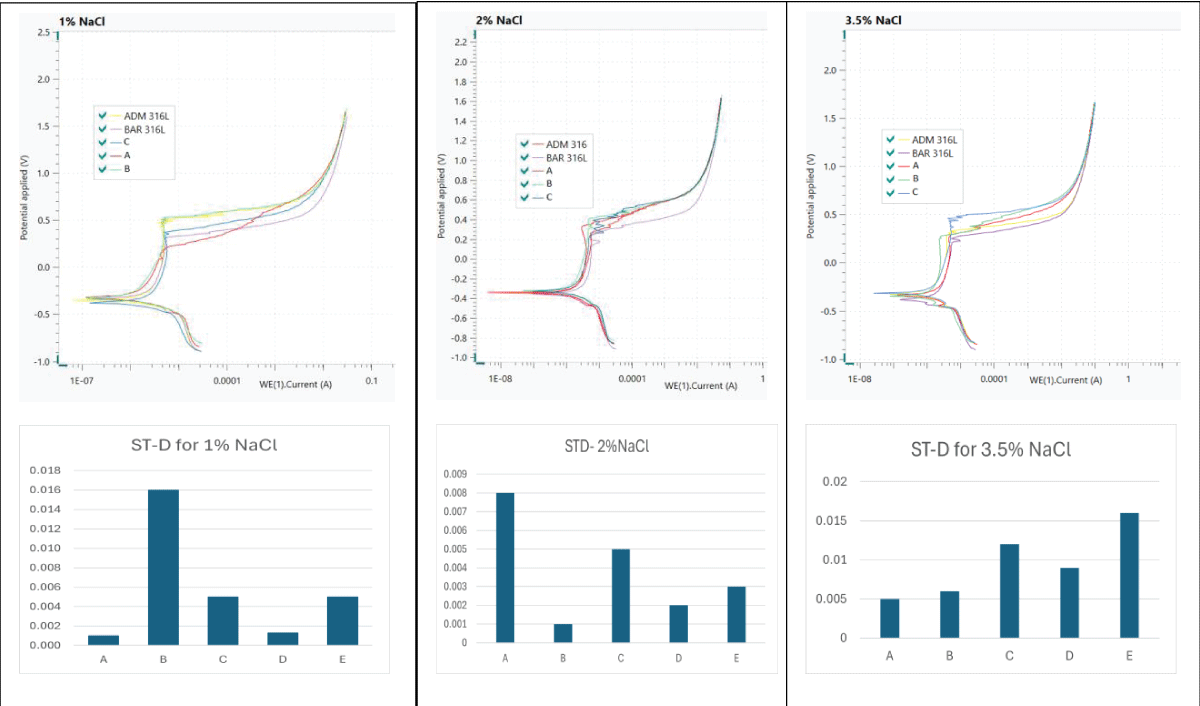
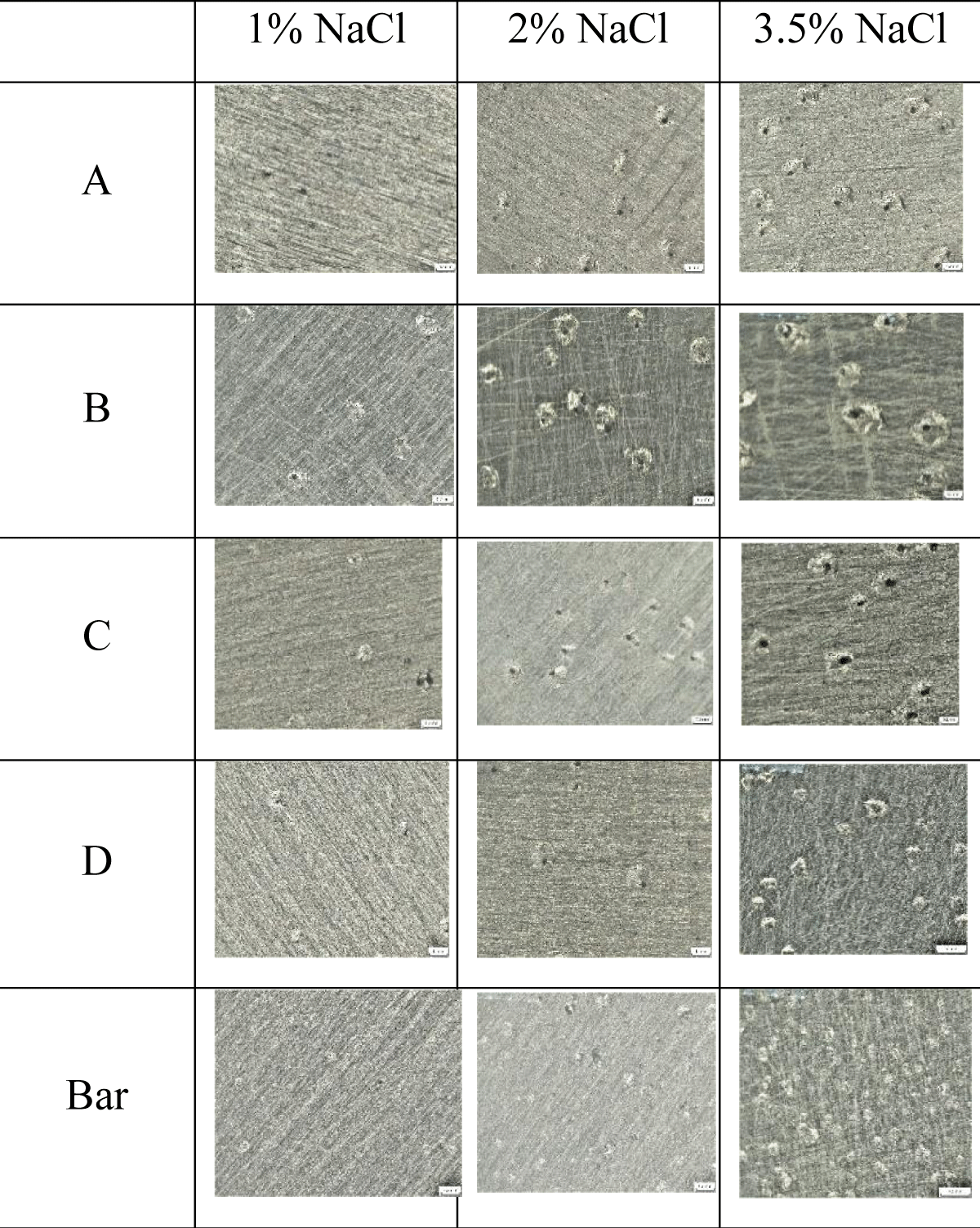
Laser Bed Powder Fusion (LBPF) has significantly simplified and accelerated solving complex design challenges, owing to the design flexibility it introduces to additive manufacturing. This technology enables the creation of innovative structures and intricate geometries in a single processing step, in contrast to conventional manufacturing techniques that necessitate multiple stages. Consequently, LBPF lowers production costs, shortens time to market, and enhances the rapid replenishment of stock components. To assess and validate the additive manufacturing process across various applications, it is essential to examine the mechanical, microstructural, and, in certain instances, corrosion characteristics of the materials. The impact of different additive manufacturing laser printing parameters with the goal of enhancing production speed and the quality of parts fabricated from 316L stainless steel, while maintaining mechanical properties and corrosion resistance, was analyzed. This involves selectively adjusting parameters such as laser power, hatch spacing, and laser speed for 20-micron layers that were compared to our standard 40-micron layer parameters. Additionally, evaluations of metallurgical, mechanical, and electrochemical potentiodynamic (corrosion) properties are conducted.
Figures

References

    1. Yadroitsev I, Thivillon L, Bertrand P, Smurov I. Strategy of manufacturing components with a designed internal structure by selective laser melting of metallic powder. Appl Surf Sci. 2007;254:980-3.
    2. Ferro P, Meneghello R, Savio G, Berto F. A modified volumetric energy density–based approach for porosity assessment in additive manufacturing process design. Int J Adv Manuf Technol. 2020;110.
    3. Rombouts M, Kruth JP, Froyen L, Mercelis P. Fundamentals of selective laser melting of alloyed steel powders. CIRP Ann Manuf Technol. 2006;55.
    4. Didier P, Le Coz G, Piotrowski B, Bravetti P, Laheurte P, Moufki A. Post-processing of additive manufactured parts: a numerical strategy applied in maxillary implantology. Mater Tech. 2022;110.
    5. Jiménez A, Bidare P, Hassanin H, Tarlochan F, Dimov S, Essa K. Powder-based laser hybrid additive manufacturing of metals: a review. Int J Adv Manuf Technol. 2021;114.
    6. Pérez J, Gonzalez H, Sanz-Calle M, Gómez-Escudero G, Munoa J, López Lacalle L. Machining stability improvement in LBPF printed components through stiffening by crystallographic texture control. CIRP Ann. 2023;72.
    7. Babakr A, Gamboa G. Improving the additive manufacturing of parts for chemical manufacturers. Chem Eng. 2024.
    8. Patil DA. Effects of increasing layer thickness in the laser powder bed fusion of Inconel 718. Tempe (AZ): Arizona State University; 2019;8.
    9. DeCooman BC, Kwon O, Chin KG. State-of-the-knowledge on TWIP steel. Mater Sci Technol. 2012;28:513.
    10. Sato K, Ichinose M, Hirotsu Y, Inoue Y. Effects of deformation-induced phase transformation and twinning on the mechanical properties of austenitic Fe-Mn-Al alloys. ISIJ Int. 1989;29:868.
    11. Dafé SSF, Sicupira FL, Matos FCS, Cruz NS, Moreira DR, Santos DB. Effect of cooling rate on (ε, α') martensite formation in twinning/transformation-induced plasticity Fe-17Mn-0.06C steel. Mater Res. 2013;16:1229.
    12. Michler T, Bruder E. Local strains in 1.4301 austenitic stainless steel with internal hydrogen. Mater Sci Eng A. 2018;725:447-55.
    13. Pessall N, Liu C. Determination of critical pitting potentials of stainless steels in aqueous chloride environments. Electrochim Acta. 1971;16(11).

Similar Articles

Screening for Sexually Transmitted Infections in Adolescents with Genitourinary Complaints: Is There a Still Role for Endocervical Gram Stains?
Subah Nanda, Amanda Schoonover, Jasman Kaur, Annie Vu, Erica Tavares, Angela Zamarripa, Christian Kolacki, Lindsey Ouellette and Jeffrey Jones
DOI10.61927/igmin251
Investigation of Lateral Vibrations in Turbine-generator Unit 5 of the Inga 2 Hydroelectric Power Plant
André Mampuya Nzita, Edmond Phuku Phuati, Robert Muanda Ngimbi, Guyh Dituba Ngoma and Nathanaël Masiala Mavungu
DOI10.61927/igmin173
Solar Energy Resource Potentials of the City of Arkadag
Penjiyev Ahmet Myradovich and Orazov Parahat Orazmuhamedovich
DOI10.61927/igmin119

Why publish with us?

  • Global Visibility – Indexed in major databases

  • Fast Peer Review – Decision within 14–21 days

  • Open Access – Maximize readership and citation

  • Multidisciplinary Scope – Biology, Medicine and Engineering

  • Editorial Board Excellence – Global experts involved

  • University Library Indexing – Via OCLC

  • Permanent Archiving – CrossRef DOI

  • APC – Affordable APCs with discounts

  • Citation – High Citation Potential

Submit Your Article

Advertisement