




Table of Contents at IgMin Research
We seek to support partnerships that amplify research output and expedite advancements.
Article Explorer
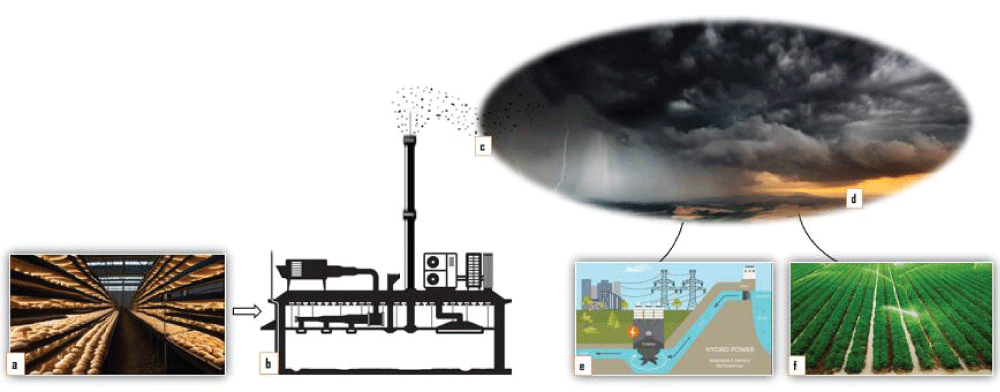
Atmospheric Fungal Spore Injection: A Promising Breakthrough for Challenging the Impacts of Climate Change Through Cloud Seeding and Weather Modification
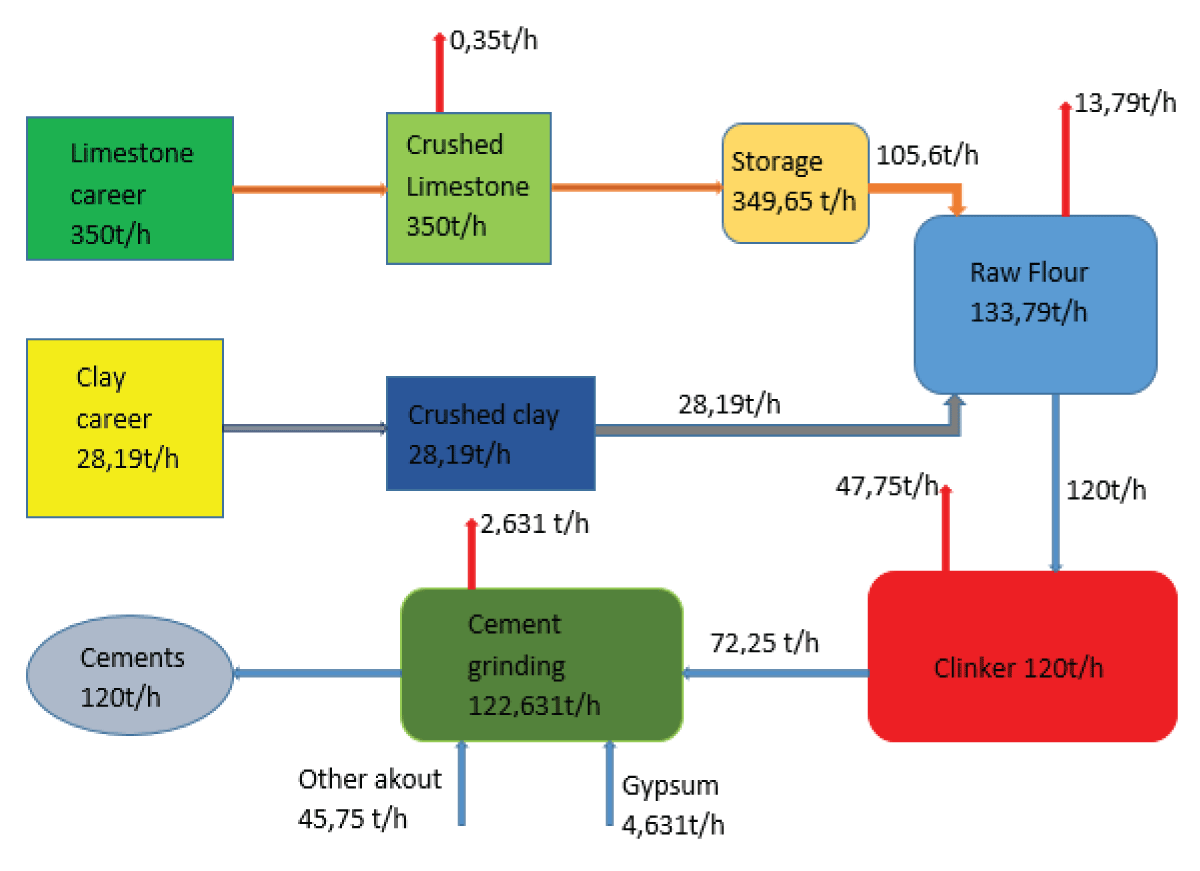
The Lukala Cement Plant's Life Cycle Analysis: Towards a More Sustainable Production

Screening for Sexually Transmitted Infections in Adolescents with Genitourinary Complaints: Is There a Still Role for Endocervical Gram Stains?
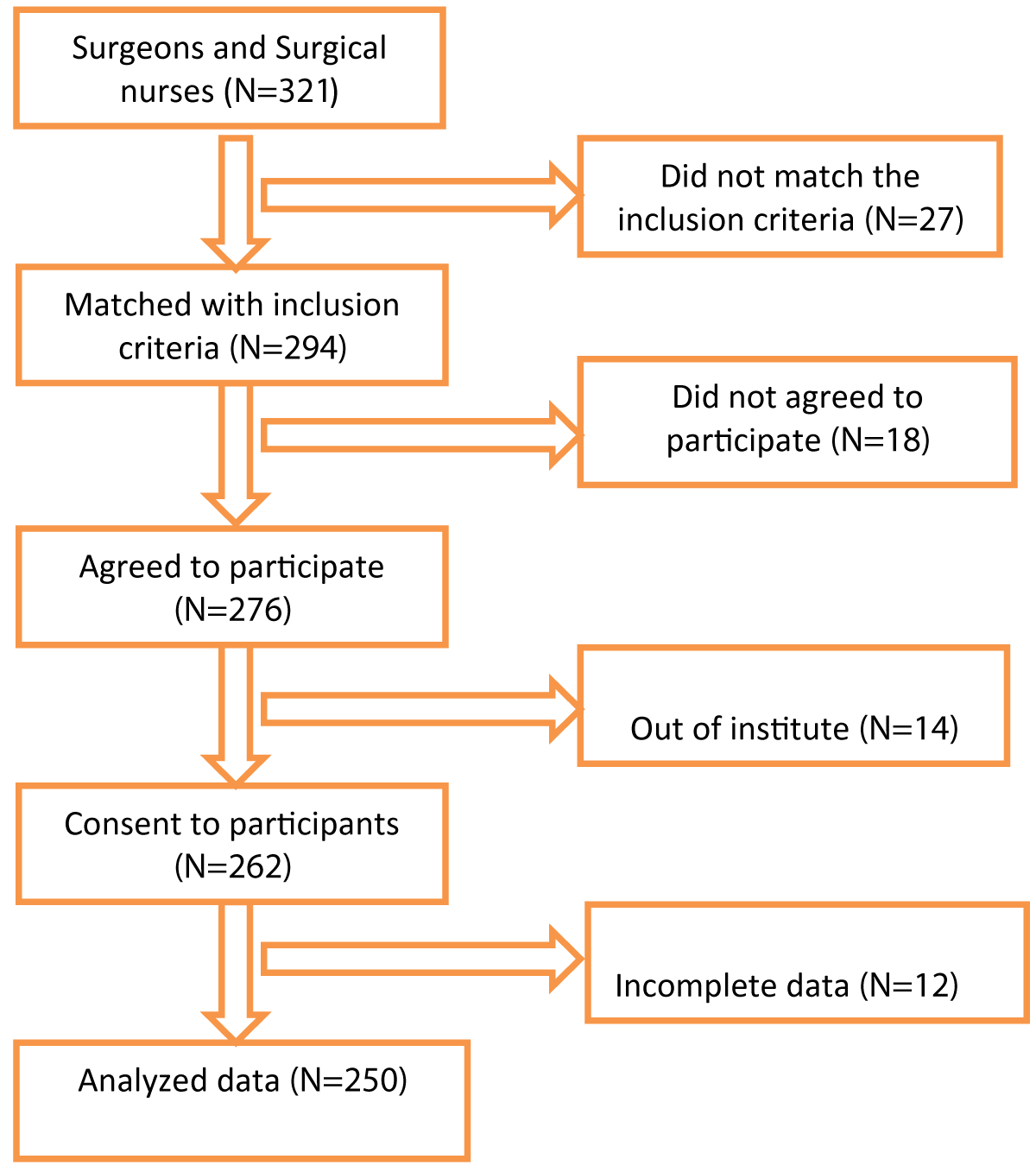
Prevalence of Non-specific Low Back Pain Among Chinese Healthcare Workers (Surgeons and Surgical Nurses): A Multi-Center Survey Study
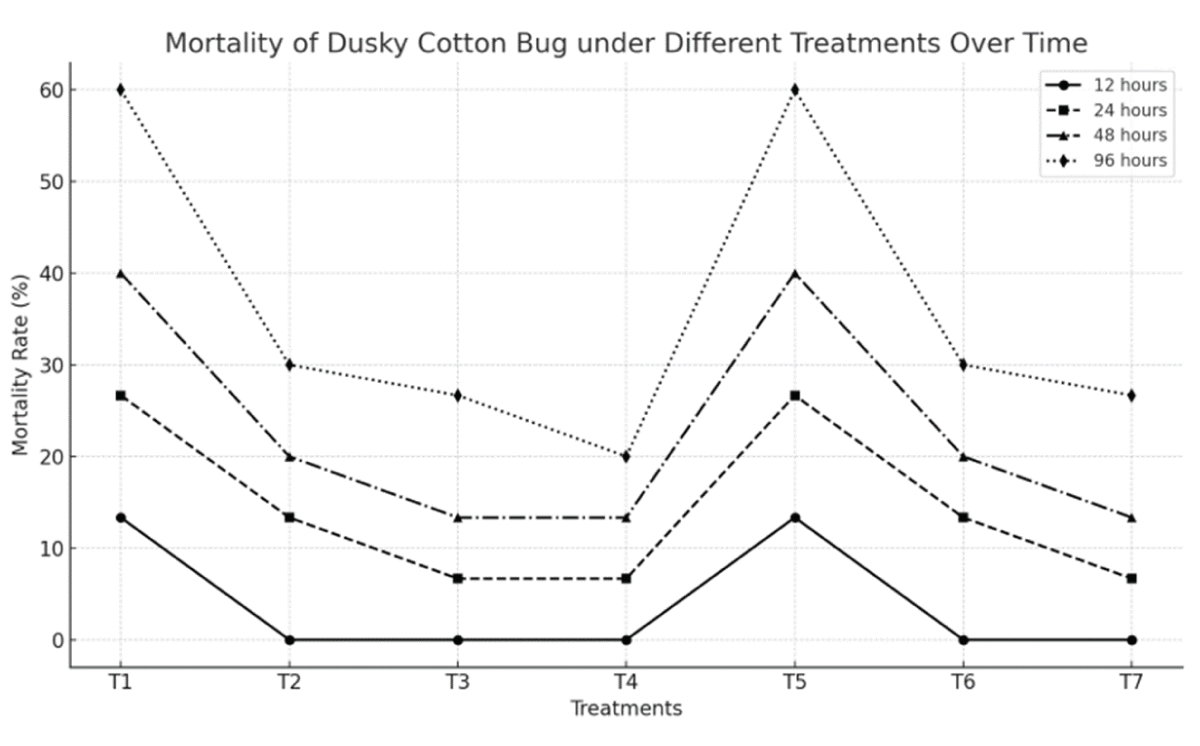
Efficacy of Alternative Insecticides against Dusky Cotton Bug (Oxycarenus laetus) to Improve Yield Losses in Cotton Crops through Residue-based Bioassay
Communication Training at Medical School: A Quantitative Analysis
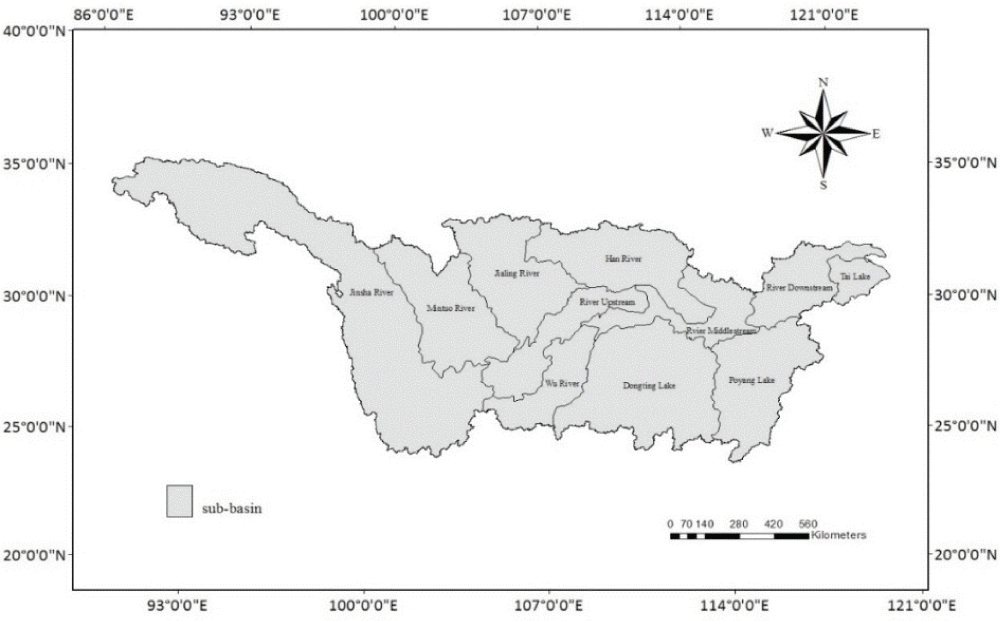
Correlation between Different Factors of Non-point Source Pollution in Yangtze River Basin
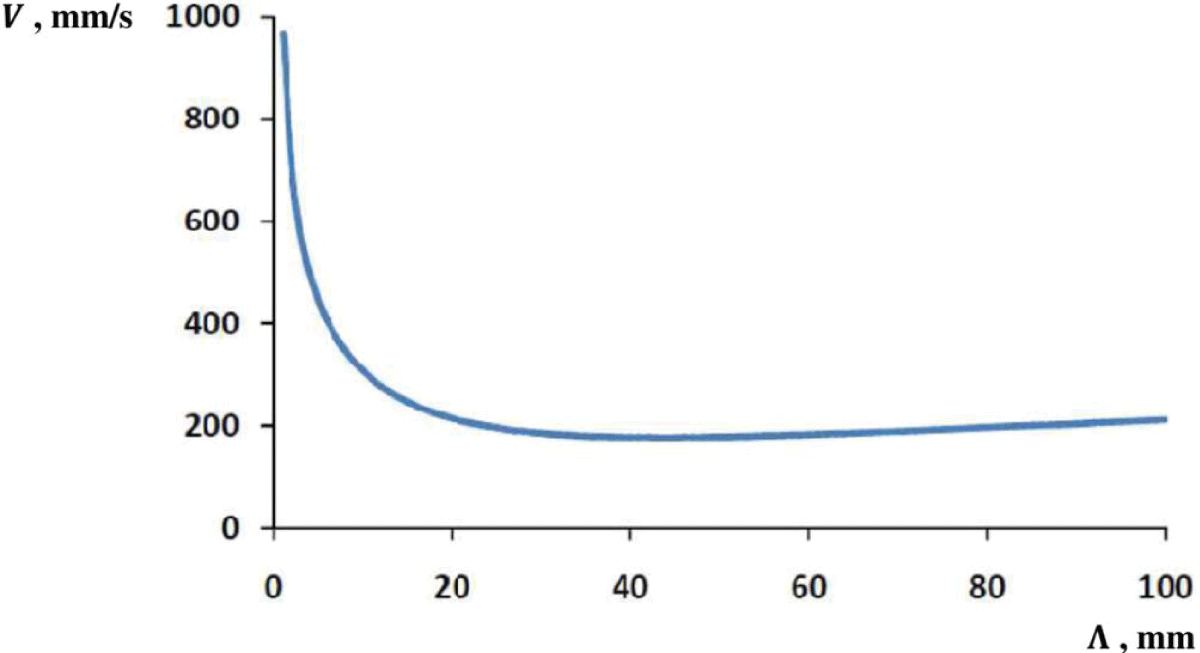
Problem of Surface Waves on Water in Higher School Laboratory Workshop
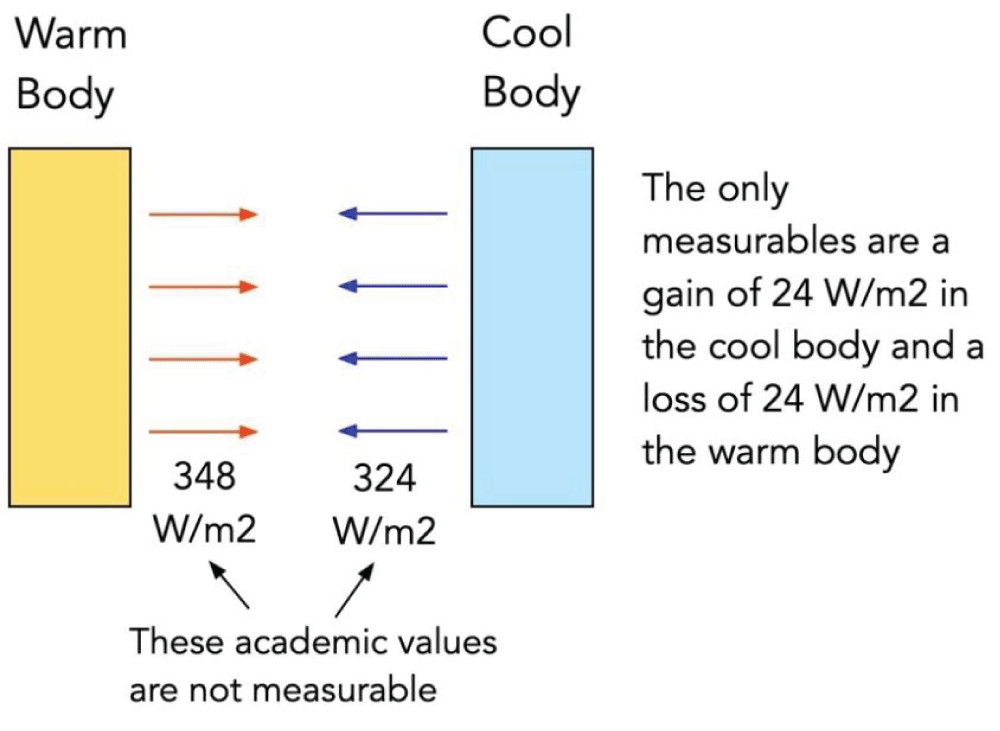
How Increased CO2 Warms the Earth-Two Contexts for the Greenhouse Gas Effect
Support for the use of Binomial Nomenclature in the Taxonomy of Viruses
Quality Culture - Lessons Learned from the Low- and Medium Income World
Artificial Intelligence & the Capacity for Discrimination: The Imperative Need for Frameworks, Diverse Teams & Human Accountability
An Open Letter to the 2022 Winners of the Nobel Prize in Physics
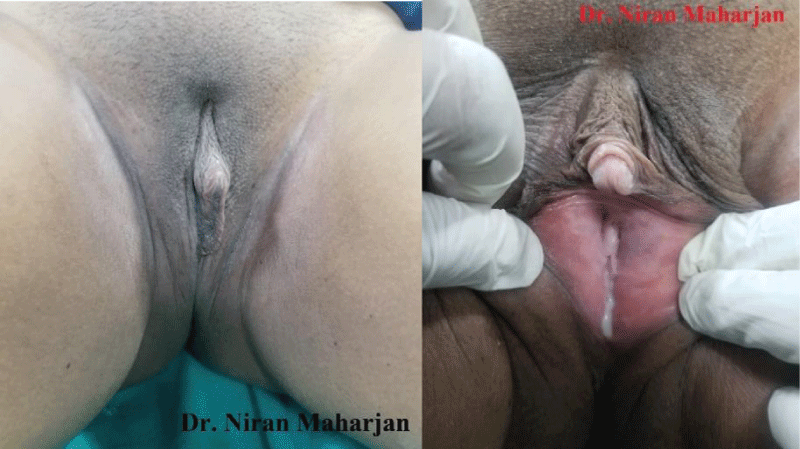
A Rare Entity of Idiopathic Clitoromegaly with HBsAg Positive Status Managed with Dorsal Nerve Sparing Clitoroplasty
Quantum Perception and Quantum Computation
Boundary Value Problems in Ellipsoidal Geometry and Applications
Issues of Manufacturability of Roller Machines
 Review Article
Atmospheric Fungal Spore Injection: A Promising Breakthrough for Challenging the Impacts of Climate Change Through Cloud Seeding and Weather Modification
Cloud seeding is a technique used to enhance precipitation in drought-prone areas, support agricultural productivity, ensure water supply for human consumption, improve hydropower generation from dams, lessen hurricanes, cool urban heat, and disperse fog in airports. Growing global population size and climate change are the biggest impetus for weather modification and cloud seeding operations. Currently, salt powders like silver iodide, potassium iodide, sodium chloride, calcium chloride, dry ice (solid carbon dioxide), and liquid propane are widely used as ice nucleating particles for cloud seeding purposes while in natural cloud formation, and precipitation particles from dust storms, mineral dust and biological aerosols (like spores, pollen, bacteria) are the dominant ice nucleators. Having this knowledge on hand and the ubiquitous nature of fungi on the other hand; it is feasible to exploit the ice nucleating ability of fungal spores and use it as potential candidates for cloud seeding and weather modification operations.